US lawmakers demand India designation as Country of Particular Concern
 Washington: Prominent American figures have called for designating India as a Country of Particular Concern under the International Religious Freedom Act due to escalating violations against religious minorities.
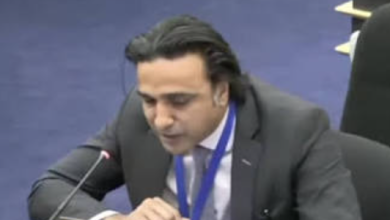
According to Kashmir Media Service, Republican Congressman Glenn Grothman, along with United States Commission on International Religious Freedom Chair Vicky Hartzler and Vice Chair Dr Asif Mahmood, penned a joint opinion piece urging Secretary of State Marco Rubio to take decisive action.
The op-ed, published in a leading US outlet, highlights India’s anti-conversion laws in 12 states, which authorities allegedly misuse to target Christians and Muslims through arbitrary arrests and incitement of violence. These laws, dating back decades but increasingly enforced, prohibit conversions deemed forced or induced, yet critics argue they disproportionately affect minority faith leaders and communities.
In Goa, the chief minister has expressed intent to enact measures against so-called love jihad, a term rooted in Hindu nationalist conspiracy theories alleging Muslim men lure Hindu women into marriage for conversion. Similar unfounded accusations in Uttar Pradesh led to the conviction of a Christian pastor and his wife, accused of enticing neighbors with education and aid programs, resulting in lengthy prison sentences.


Dr Asif Mahmood, a Pakistani-American physician from California who migrated from Kharian, marks a historic first as a South Asian Muslim in USCIRF leadership, bringing attention to these issues. The authors contrast India’s situation with China’s well-known restrictions, noting that the world’s largest democracy is imposing cruel dictates on religious beliefs, undermining shared values with the United States.
Data from human rights monitors indicate hundreds of unjust arrests under these statutes, often accompanied by communal tensions, mob violence, and property demolitions targeting minority places of worship. In Madhya Pradesh, proposals have emerged for capital punishment in cases of alleged forced conversions, signaling a severe escalation in punitive measures against perceived threats to majority faith.
The lawmakers emphasize that repealing anti-conversion laws would demonstrate India’s commitment to bilateral ties and universal principles of religious liberty. USCIRF has recommended India’s CPC designation annually since 2020, citing systematic, ongoing, and egregious violations as defined under US law.
This call aligns with broader concerns over vigilante attacks, discriminatory policies, and failure to protect minorities from hate rhetoric and violence. Strengthening US-India relations, the authors argue, requires addressing these core human rights deficiencies to uphold mutual democratic ideals.