India caught off guard in 2020 China standoff, exposes Delhi’s strategic weaknesses
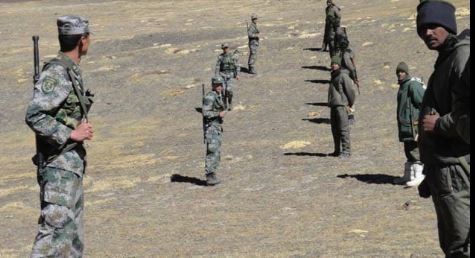
New Delhi: A heated debate in the Indian Parliament has revived uncomfortable questions about New Delhi’s strategic failures during the 2020 face-off with China along the Line of Actual Control (LAC), exposing serious weaknesses in India’s military preparedness and intelligence assessment vis-à-vis Beijing.
According to Kashmir Media Service, defence experts and opposition leaders say India failed to anticipate China’s rapid and calculated military move in Eastern Ladakh in April–May 2020, allowing the People’s Liberation Army (PLA) to gain a tactical advantage through what has been described as a surprise manoeuvre.
The issue resurfaced after excerpts from former Indian Army Chief General MM Naravane’s unpublished book, Four Stars of Destiny, were reported by an Indian news magazine. The draft reveals that China swiftly diverted troops from exercises elsewhere in Tibet to forward positions along the LAC, catching Indian forces unprepared. While the Indian Army later responded and stabilized positions, the initial gap in assessing Beijing’s intentions proved costly.


General Naravane, who served as Army Chief from December 31, 2019, to April 30, 2022, reportedly acknowledges that India did not fully foresee the scale and speed of China’s mobilization. The standoff escalated into violent clashes in April and May 2020, culminating in the deadly hand-to-hand fighting in Galwan Valley on June 15, 2020—the first fatalities on the India-China border in 45 years.
During the parliamentary debate on Tuesday, Defence Minister Rajnath Singh dismissed opposition references to the book, claiming it had not been published. However, Leader of the Opposition Rahul Gandhi cited reports based on the draft, arguing that the government was attempting to suppress uncomfortable truths about its handling of the crisis.
Security analysts note that China eventually deployed an estimated 40,000 to 50,000 troops along the LAC, forcing India into a reactive posture that required rushed deployments of additional troops, artillery, missiles and rocket systems. Critics say this reactive approach underlined India’s lack of strategic foresight against a militarily and logistically superior China.