Indian diplomatic duplicity exposed as Russia rejects US claims on oil pact
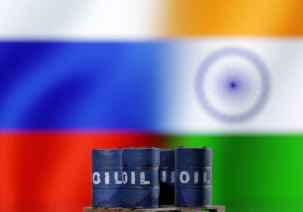
New Delhi: India’s claims of strategic autonomy in its energy policy have been thrown into question after Russian Foreign Minister Sergei Lavrov publicly dismissed assertions by US President Donald Trump that India agreed to halt purchases of Russian oil, revealing deep contradictions in New Delhi’s foreign policy posture.
According to Kashmir Media Service, Lavrov, addressing the Russian State Duma, said that except for US President Donald Trump, no Indian leader — including Prime Minister Narendra Modi or External Affairs Minister S. Jaishankar — has ever declared that India will stop buying Russian crude oil. He stressed that Moscow has not received any such statement from New Delhi.
Lavrov’s comments came amid an ongoing India US interim trade framework, under which the United States lifted punitive tariffs on Indian goods imposed over India’s Russian oil purchases, while asserting that New Delhi would gradually reduce crude purchases from Russia.


The Kremlin has also reiterated that it has received no communication from India regarding a cessation of Russian oil imports, emphasizing that India remains free to determine its energy sources based on national interest and not under external dictates.
Critics say this development exposes India’s diplomatic duplicity — publicly asserting its sovereign energy policy while simultaneously signalling compliance with US demands in private negotiations. They note that Trump’s narrative of India ending Russian oil imports appears to be leveraged by New Delhi in trade talks with Washington, even though no official statement from Indian leadership has confirmed any such policy shift.
Observers argue that India’s contradictory messaging has served to placate US geopolitical pressures, even as New Delhi tries to maintain its privileged strategic partnership with Moscow. This dual approach, they warn, risks undermining India’s credibility on the global stage and highlights a broader pattern of bending to powerful allies while obscuring actual policy positions.
Analysts say the episode reflects the deeper fault lines in India’s foreign policy — navigating a complex geopolitical landscape by making ambiguous commitments that satisfy great powers, while potentially sacrificing strategic clarity and autonomous decision-making.