Indian naval expansion raises security concerns in South Asia and Indian Ocean region
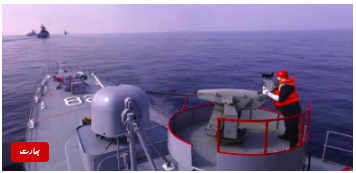 Islamabad: The expansion of the Indian Navy’s Eastern Fleet and the induction of advanced military assets have reignited debate over the strategic balance in South Asia and the wider Indian Ocean region.
According to Kashmir Media Service, observers contend that India’s rapid modernization, seen as part of its drive for greater regional dominance, carries significant implications for regional security.
Analysts say this development could further intensify strategic competition with China and heighten tensions along key maritime routes, including the Strait of Malacca and the Arabian Sea. As a result, the region’s vital trade corridors and energy supply lines may face increased uncertainty.
Experts further note that India’s actions are complicating the Quadrilateral Security Dialogue (Quad) framework, potentially deepening maritime rivalry among regional powers. The induction of nuclear capabilities into the naval operations, particularly through the deployment of Arihant-class submarines, has also raised concerns about elevated nuclear risks in the maritime domain.

At the same time, defense analysts point out that despite increased military spending, delays in naval projects continue to affect modernization timelines. Dependence on foreign technology and fiscal constraints could limit the pace and scope of fleet expansion.
Some experts argue that India’s aircraft carrier INS Vikrant could become a high-value target in a conflict scenario. They also highlight potential gaps in long-range strike capacity and anti-submarine warfare capabilities that may affect both offensive and defensive preparedness.
Observers emphasize that alongside military expansion, confidence-building measures and sustained diplomatic engagement will be crucial to maintaining lasting peace and stability in the region.