Kashmiri students at Punjab varsity face threats, eviction over request for basic Ramadan meals
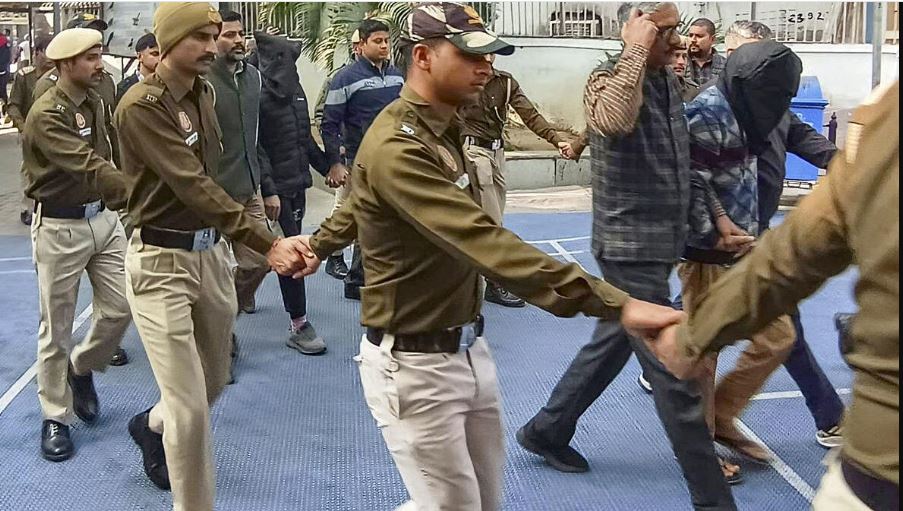 Srinagar: Recent reports about Kashmiri Muslim students at CT University in Ludhiana in India’s Punjab state, being threatened with eviction for requesting basic food arrangements for Sehri and Iftar during the holy month of Ramdan have highlighted a troubling pattern of discrimination and exclusion faced by Kashmiris in India.
According to Kashmir Media Service, the Kashmiri students’ simple request for food during the designated hours of Ramadan was met not with understanding and accommodation but with hostility and intimidation. Despite their repeated requests, the university mess failed to provide food during the required hours, leaving students unable to observe their religious obligations properly.
What is even more disturbing is the involvement of the university administration. The students said that when they approached the authorities, the Vice Chancellor responded with abusive language and direct threats, warning them that their admissions would be cancelled and that they would be forced to vacate the campus hostels.
The incident highlights a deeply concerning environment where minority students, especially from Indian illegally occupied Jammu and Kashmir (IIOJK), feel unsafe when expressing their religious needs.


The IIOJK Students Association has strongly condemned the incident and called upon the Punjab Chief Minister to intervene and ensure protection for the affected students. “They are regular fee-paying boarders and only sought the provision of meals at appropriate timings,” said the Association’s Convener Nasir Khuehami. He emphasized that no student should face hostility for observing their faith.
The episode underscores the broader challenges faced by Muslims in India, particularly Kashmiri Muslims, who are often subjected to discrimination in educational and residential spaces. The denial of basic religious accommodation during Ramadan raises serious questions about minority rights, tolerance, and the ability for Kashmiris to live and study in India without fear of retaliation.