There is a difference between reporting reality and manufacturing it. In Indian illegally occupied Jammu and Kashmir, that line has not just blurred, it has been deliberately erased. For decades, Kashmir has not only been a disputed territory, it has been a contested narrative. And today, that narrative is being tightly controlled through a combination of coercive laws, media intimidation, and the systematic criminalization of truth-telling by India’s BJP rule.
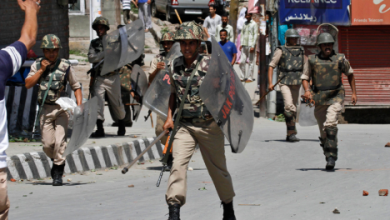
The silencing did not begin overnight. It is the culmination of a long process, one that accelerated dramatically after the constitutional changes of August 2019. Since then, journalists in Srinagar and across the region have operated under the shadow of surveillance, interrogation, and arrest. Newsrooms have been raided, reporters summoned by counterinsurgency grids and agencies, and even routine reporting has been recast as a potential “security threat.” The message is unmistakable, report what is permitted, or prepare to face consequences.
Journalism as a Crime
The most disturbing aspect of this crackdown is the normalization of punitive action against journalists. Reporters have been detained under sweeping legal frameworks, questioned for social media posts, and accused of spreading “anti-national” narratives simply for documenting ground realities.
When journalism is treated as sedition, truth itself becomes contraband.
This is not about isolated incidents, it is about creating a chilling effect. The goal is not merely to silence one journalist, but to ensure that hundreds others begin to self-censor. Fear, in this context, becomes policy.
Media as an Extension of Power
While local voices are suppressed, sections of Indian media have stepped in, not as watchdogs, but as amplifiers of state narratives. News platforms are increasingly viewed by critics as echo chambers that reinforce official positions rather than interrogate them. Their reporting frequently mirrors the language of institutions such as Research and Analysis Wing (RAW) and Military Intelligence,(MI) blurring the distinction between independent journalism and strategic messaging.
In this ecosystem, Kashmiri voices are not debated, they are discredited. Activists are labeled, dissenters are profiled, and entire communities are reduced to security concerns.
Criminalizing Dissent, Even Abroad
The campaign does not stop at the borders of the region. Kashmiris in the diaspora students, academics, and activists are increasingly targeted through smear campaigns and digital surveillance. Speaking about human rights, political aspirations, or even lived experiences can invite intimidation and reputational attacks. The accusation is always the same, if you speak, you must be suspect. This tactic serves a dual purpose. It delegitimizes advocacy while isolating Kashmiris globally, attempting to sever the link between lived reality and international awareness.
Selective Freedoms, Visible Inequality
Equally revealing is the uneven application of civil liberties. Hindu festivals such as Ram Navami, Holi, and Navratri are conducted openly, often with visible administrative support.
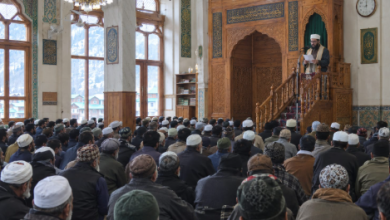
Yet Muslim religious practices, Eid prayers, Friday congregations have faced repeated restrictions, limitations, or outright curbs at various points.
This is not merely administrative inconsistency, it reflects a deeper crisis of equality. When one community celebrates freely and another is regulated under the logic of “security,” the principle of equal citizenship begins to fracture.
Even Pro- India Is Not Safe
What makes the situation even more striking is that suppression is no longer limited to pro freedom voices. Even pro-India political parties like the Jammu and Kashmir National Conference (NC) and the Peoples Democratic Party (PDP) have faced restrictions on protests and political activity. When even those within the Imdian constitutional framework are denied space, it raises a fundamental question. what form of political expression is actually permissible?
Rewriting the Narrative of Resistance
Figures such as Masarat Alam Bhat are routinely portrayed through a singular lens stripped of political context and presented purely as security threats. This pattern extends to the broader Kashmiri demand for self-determination, which is consistently reframed as extremism. It is a deliberate strategy: if every voice of dissent can be labeled dangerous, then no dissent needs to be heard.
The Failure of Manufactured Reality
Yet despite this architecture of control, the narrative remains contested. Kashmiris—especially those outside the region continue to document, report, and speak. Their testimonies, reports, and digital activism challenge the carefully constructed image of normalcy. Because the truth, however suppressed, has a way of resurfacing.
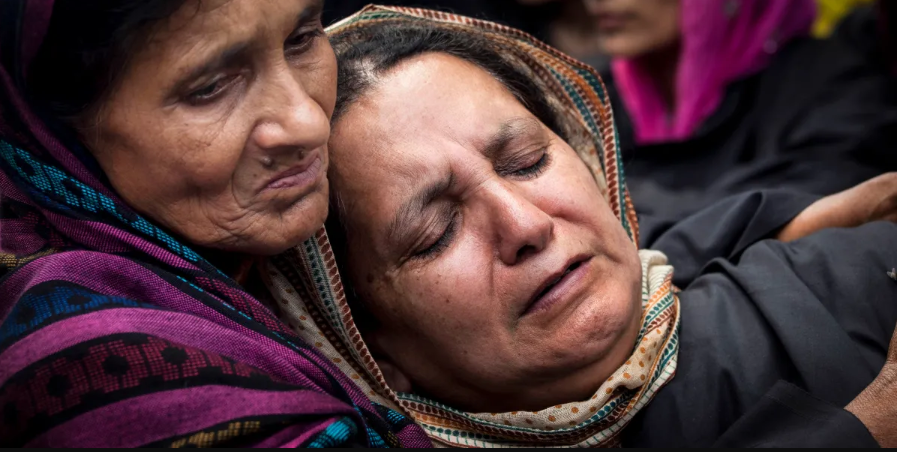
The real crisis is not that Kashmiris are speaking, it is that their voices are being systematically discredited, criminalized, and erased. And that raises a question far more serious than any single report or protest,
If a state must silence journalists, intimidate its critics, regulate religious expression, and script its media narratives, what exactly is it trying to hide?