 Islamophobia is a new form of racism, a social abduction of the rights and marginalisation of minority Muslims in India. And in recent years of the BJP’s government, the Bollywood industry has played a significant role in spreading this anti-Muslim propaganda. Bollywood, which is considered the largest entertainment industry among others, has always worked on anti-Pakistani movies. Although some of them showed the inclusive society, emphasizing the secular nature of India, which is far beyond reality. But recent releases of movies like “Kashmir Files”,” The Kerala Story”, “The Sabarmati Report”, and now “Dhurrandar” have sparked controversy over their portrayal of Muslims and Pakistanis. These films, set against the backdrop of real-life incidents like the Kashmiri Pandit dilemma, the 2002 Gujarat train attack, and the 2008 Mumbai attacks (26/11), perpetuate a damaging narrative that unfairly targets the Muslim community within India or beyond.
All movies depict Muslims and Pakistanis as terrorists, and the ISI, the Intelligence agency of Pakistan, as the biggest support to non-state actors operating in India, reinforcing a stereotype that’s been criticized for fuelling Islamophobia. By linking these groups to violence, Bollywood is knowingly or unknowingly contributing to the suffering of innocent Muslims in India and Pakistan. The entertainment industry is a powerful tool to disseminate cultural values, ethos, ideologies, and strong messages to society. But the Contemporary Bollywood cinematic landscape is used as an effective propaganda tool, and the current BJP government’s backing, fuelling the sufferings of Minorities in India.
India’s strategic culture sees Pakistan and Muslims as an existential threat. “Love Jihad” is being manipulated by the Indian media for socio-political gains. Hindutva discourse treats minority Muslims as invaders, clearly shown in Bollywood trends where Muslims are portrayed as predators and India as prey. These stories aren’t just reminding us of incidents but igniting past traumas, lighting the fire of hatred. The BJP government successfully used all these tragedies, with unpopular opinions claiming official financing for these projects.
Inspired by the Sabarmati Express incident, 59 people died, the majority Hindus. In response, brutal violence against Muslims erupted in Gujarat, over 850 Muslims killed, unofficial toll reaching 2,000. 250+ women were gang-raped, burnt alive, and children and men brutally killed. Chief Minister Narendra Modi allowed riots to happen, and no immediate actions were taken to stop this massacre. Even state law could not secure people’s rights.
And the movie “The Sabarmati Report” showed only one side of the coin to build the narrative that it was all the Muslims’ fault, who then carried out the attack, and what happened afterward was not even bothered with in the movie’s storyline.
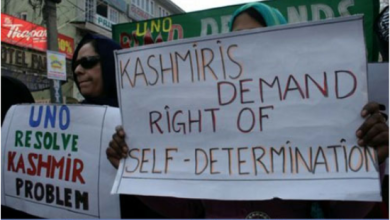
Similarly, “The Kashmir Files” depicts the exodus of Kashmiri Pandits as a genocide against them by the Kashmiri Muslims. Again, distorted facts while suppressing the Kashmiri rights to life. These incidents were used as a tool for the removal of Articles 370 and 35(A) later on. Even the leaders of the BJP emphasized and warned Hindus to take a lesson from the Kashmir Files; otherwise, they have a plan to make more movies like that.
“The Kerala Story” showcases the forceful conversion of Hindu women into Islam. Spreading hatred against Muslims is becoming the new Bollywood genre.
After the Pahalgam attack, we have all seen what India has gained in the name of Operation Sindoor. International humiliation and ultimate defeat over the border. Pakistan has gained popularity in the South Asian region amid the ongoing Iranian war and in the past with Operation Bunyan-ul- Marsoos. And what measure India has taken, it launched “Dhurandhar” and ”Dhurandhar: The Revenge.” The 2008 Mumbai attacks were a horrific act of terrorism. The blanket portrayal of local Baloch gangs of Layari, Pakistan, and the Pakistani intelligence agency backing up these terrorist groups is unfair and inaccurate. The film even characterizes many known political figures as part of the plan for an attack in India.
A cinematic false flag loaded with anti-Pakistani sentiments, exaggerating factual data: portraying Pakistan’s fragile political system, anti-Baloch narratives, ISI as mastermind, and RAW’s unchecked penetration into Pakistan’s political system.
The constant characterisation of Muslims as violent extremists creates fear and mistrust, making it harder for Muslims to integrate and feel a sense of belonging. In today’s India, these films operate within a broader ecosystem in which cinema, political discourse, and public opinion reinforce one another. Following their release, hate speech, social media incitements, boycotts of Muslim-owned businesses, and hostility to Muslim students spiked. These films legitimize prejudice and normalize exclusionary rhetoric. The everyday consequences include increased profiling, diminished civic space, and marginalization. Narratives can bring people together or rip them apart; filmmakers and media must create counter-narratives that are inclusive, nuanced, and fact-based for reconciliation. The screen goes dark at the end of every film. The hatred it leaves behind does not.
The writer is a student of Strategic Studies at the National Defence University (NDU). Currently she is serving as an intern at the Kashmir Institute of International Relations, Islamabad. She can be reached at [email protected].