Ganderbal staged encounter revives debate on pattern of impunity in IIOJK
Srinagar: In Indian illegally occupied Jammu and Kashmir, the latest killing of a Kashmiri youth in Ganderbal has once again brought into focus the grim and recurring pattern of staged encounters, reigniting debate over extrajudicial killings by Indian forces and entrenched institutional impunity.
According to Kashmir Media Service, Indian forces martyred a 29-year-old youth, Raashid Ahmad Mughal, during a cordon and search operation in the Arahama area of Ganderbal on the night of March 31. While the Indian Army claimed that a “terrorist” was neutralized in the operation, the victim’s family and local residents have categorically rejected the official version, asserting that Raashid was an innocent civilian with no links to militancy.
Family members stated that Raashid had left home earlier in the day but never returned, and his body was later identified through an ATM card. They said that he was picked up and killed in cold blood, pointing to discrepancies such as a change in his clothing and the absence of any prior record linking him to armed activity. The family has demanded a transparent and time-bound investigation to bring the truth to light.

The incident has triggered widespread outrage across the Kashmir Valley, with civil society members, religious leaders, and political figures demanding accountability. Even as authorities have ordered a magisterial inquiry into the killing, past experiences have left Kashmiris skeptical about the prospects of justice, given the history of delayed or inconclusive probes in similar cases.
Observers note that the Ganderbal incident is not an isolated case but part of a troubling pattern seen over the decades, including notorious episodes such as Pathribal (2000), Machil (2010), Shopian (2020), and Hyderpora (2021), where civilians were allegedly killed and later branded as militants. Many of these cases either ended without accountability or saw convictions overturned, deepening public distrust.
Analysts argue that laws like the Armed Forces Special Powers Act (AFSPA) have played a central role in fostering a culture of impunity by granting sweeping powers and legal protection to Indian forces. They maintain that unless such laws are repealed and independent judicial mechanisms are ensured, incidents like Ganderbal will continue to recur.
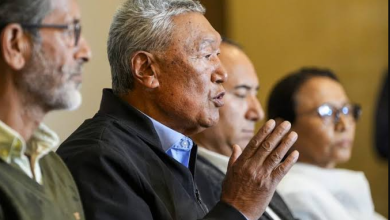
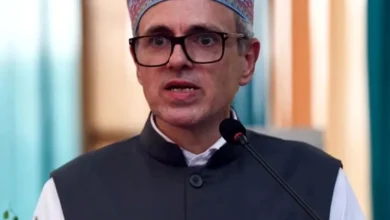
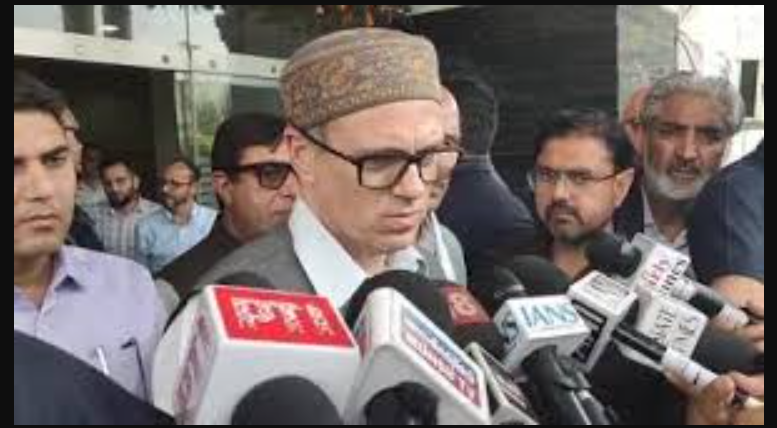
Political leaders including Chief Minister Umar Abdullah and Mehbooba Mufti have also voiced concern, stressing that the claims of the victim’s family must not be dismissed and that any attempt to delay or dilute the inquiry would further erode credibility. They have called for the findings to be made public and those responsible to be held accountable.
The repeated occurrence of such incidents has created an atmosphere of fear and uncertainty among the local population, who see these encounters not as isolated security operations but as part of a broader pattern of repression. The Ganderbal killing has once again highlighted the urgent need for justice, transparency, and an end to the cycle of violence in the territory.