India’s latest statement on Chabahar exposes its weakening regional strategy: Analysts
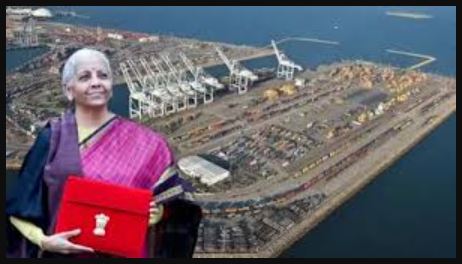
New Delhi: In a clear admission of its precarious position, India has acknowledged that it is desperately juggling talks with both the United States and Iran over the future of the strategically important Chabahar Port, even as the project faces serious uncertainty following the expiry of the US sanctions waiver.
According to Kashmir Media Service, responding to media queries, Indian Ministry of External Affairs spokesperson Randhir Jaiswal stated that New Delhi is continuing consultations with both sides, while admitting that the ongoing conflict in West Asia has further complicated the situation.
The statement comes just weeks after the US sanctions waiver for India’s operations at Chabahar expired on April 26, 2026. India had invested over $120 million in the Shahid Beheshti terminal, projecting the port as a key gateway to Afghanistan and Central Asia to bypass Pakistan. However, with the waiver now lapsed and strict American sanctions back in force, India finds itself stuck in a classic strategic bind.


Analysts say the latest statement reveals India’s weakening regional strategy. Despite heavy investment and tall claims of creating a counter to Pakistan’s Gwadar Port, New Delhi is now forced to seek American approval even for a project in Iran. This exposes the limits of so-called Indian “strategic autonomy” and its growing dependence on Washington.
Chabahar’s future looks increasingly bleak amid heightened tensions in West Asia. India is reportedly exploring options, including temporarily transferring its stake to an Iranian entity, to protect its investment while avoiding US penalties. Critics argue that this reflects the failure of India’s connectivity dreams, as the port remains far from achieving the commercial or strategic relevance it was promised.
Pakistan, on the other hand, continues to make steady progress on the China-Pakistan Economic Corridor (CPEC) and Gwadar Port, which enjoys strong regional backing without facing similar external pressures.
By trying to please both Washington and Tehran simultaneously, India has once again exposed its diplomatic confusion and the hollowness of its claims of emerging as a major regional power. The Chabahar project, once touted as a game-changer, now stands as a symbol of New Delhi’s strategic vulnerabilities.