Er Rashid’s ‘exit’ from electoral politics exposes lack of trust on India’s democracy
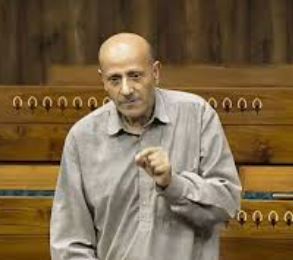
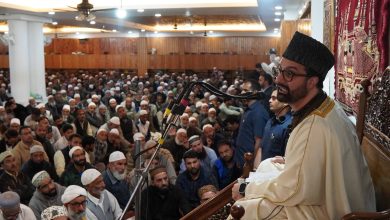
Srinagar: The emotional remarks by jailed Member of Parliament Engineer Rashid during his father’s funeral have once again exposed the absence of genuine democracy, continued political repression and denial of fundamental rights in Indian illegally occupied Jammu and Kashmir.
According to Kashmir Media Service, Engineer Rashid, who was granted interim bail from New Delhi’s Tihar Jail to attend the last rites of his father Khazir Mohammad, hinted at stepping away from electoral politics, saying his struggle was not limited to Article 370 or statehood but centered on the dignity, honour and freedom of the people of Jammu and Kashmir.
Rashid said he may not contest future elections, stating that his political journey had come at a heavy personal cost. “My struggle is beyond Article 370 and statehood. It is for the dignity and honour of the people of Jammu and Kashmir,” he said while addressing mourners.

Political observers said the statement from a sitting parliamentarian reflects growing frustration over the futility of electoral politics under an atmosphere of repression, intimidation and arbitrary detentions in the occupied territory. They noted that despite being elected by the people, Rashid spent years behind bars under harsh laws, highlighting how democratic mandates are undermined when voices critical of New Delhi are criminalized.
During his speech, Rashid questioned the continued detention of Kashmiri youth under draconian laws such as the Public Safety Act, saying reconciliation and trust-building were the only way forward. He remarked that if authorities could attempt to reform a dangerous animal after attacks, then Kashmiri youth accused of minor offences should not be subjected to prolonged imprisonment and humiliation.
Rashid also said that prison could not break his resolve because he had “done nothing wrong,” underscoring concerns raised by rights groups over the misuse of anti-terror and preventive detention laws against political leaders, activists and civilians in IIOJK.
Analysts said the repeated arrests of political voices, shrinking democratic space, suppression of dissent and denial of civil liberties have deepened alienation among Kashmiris. They added that Rashid’s remarks reflect a wider sentiment in the territory that elections under military control and continued repression cannot substitute the Kashmiri people’s demand for dignity, justice and the right to determine their political future.