Historic mosque in Rajasthan latest target of Hindutva appropriation drive
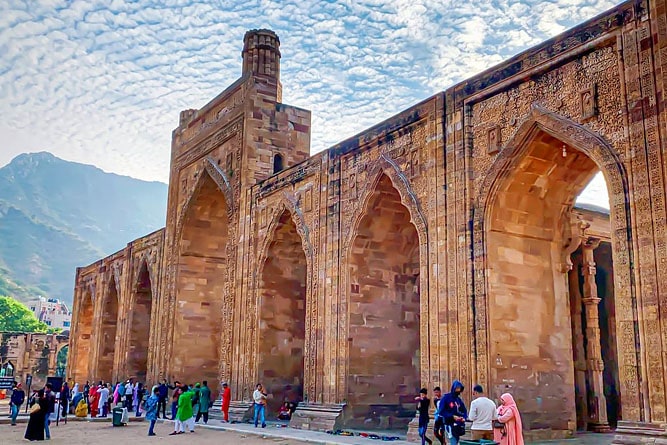 Jaipur: A Hindu supremacist group has sought permission to hold Hindu prayers inside the historic Adhai Din Ka Jhonpra mosque in Rajasthan, in the latest attempt by Hindutva organizations to lay claim to centuries-old mosques and Islamic heritage sites across India.
According to Kashmir Media Service, members of the Maharana Pratap Sena have submitted a formal application to local authorities seeking permission to read the Hanuman Chalisa, a Hindu hymn, inside the mosque complex in Ajmer city.
The group has claimed that the site was originally a Hindu temple before being converted into a mosque centuries ago — a narrative increasingly employed by Hindu extremist groups across India to challenge the status of Islamic religious sites through courts, political pressure and public mobilization.
Adhai Din Ka Jhonpra, located in the historic city of Ajmer, is considered one of the oldest mosques in northern India and is known for its distinctive Indo-Islamic architecture, Quranic inscriptions and intricately carved stone screens.

Local authorities have sought detailed feedback from the Archaeological Survey of India (ASI) on whether permission should be granted.
The development comes days after a court in Madhya Pradesh recognized the 700-year-old Kamal Maula mosque complex in Dhar as a Hindu temple following petitions filed by Hindu groups, intensifying concerns among Indian Muslims over growing judicial and political support for such claims.
The dispute has heightened fears among Muslim communities and human rights advocates over an expanding campaign to symbolically and legally appropriate Islamic religious and cultural heritage under Indian Prime Minister Narendra Modi’s Hindutva-driven government.
Since Modi assumed power in 2014, Hindutva groups have increasingly targeted mosques, shrines, and Islamic-era monuments by alleging they were built on the ruins of demolished Hindu temples. Many of these campaigns have been accompanied by court petitions, archaeological demands, and open political backing from leaders associated with the BJP, fueling concerns of deepening communal polarization and growing insecurity among India’s 200 million Muslims.
Muslim organizations and civil rights advocates have warned that repeated attempts to redefine Islamic monuments as Hindu sites are not only erasing historical identity but also deepening fear and insecurity within the Muslim community.