Indian Army Chief’s ‘Sindoor 2.0’ rhetoric an attempt to hide May 2025 fiasco
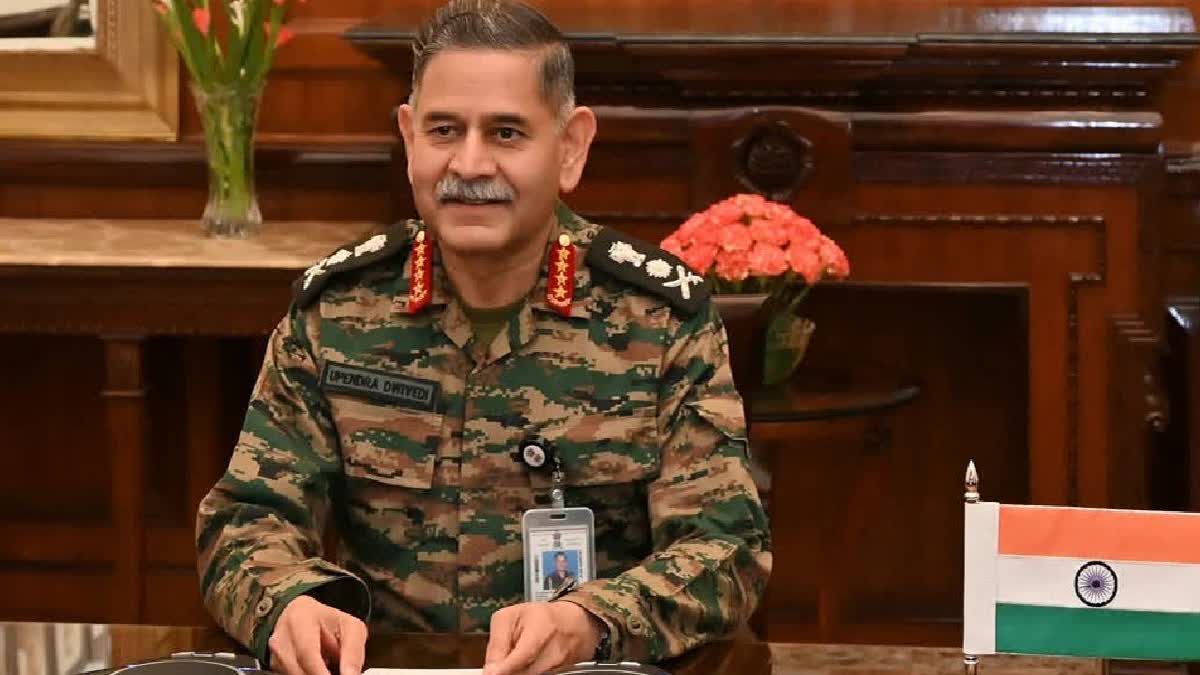
Pune: Exposing India’s growing war rhetoric, Chief of Army Staff General Upendra Dwivedi’s announcement of “Operation Sindoor 2.0” appears to be a deliberate attempt to hide the embarrassment suffered by Indian forces during the May 2025 military fiasco.
According to Kashmir Media Service, speaking at the NDA passing-out parade in Pune, General Dwivedi claimed the armed forces are “fully prepared” for another operation and asserted synergy across land, air, sea, space and cyber domains. He described the current period as a “temporary cessation of hostilities” and said the Army was intensely preparing for the next phase.
Analysts noted that the aggressive talk of “Operation Sindoor 2.0” comes months after India’s May 2025 misadventure, where Indian forces faced severe losses and international scrutiny over reckless escalation and miscalculations.


The heavy rhetoric, they said, is aimed at deflecting attention from operational failures and the public embarrassment India suffered during that episode. The Army chief underlined “information warfare” and “national cohesion” as decisive, stating “Victory is always in the mind. It’s not on the ground.”
Observers said the emphasis on controlling narratives exposes New Delhi’s intent to mask battlefield setbacks with psychological operations and media management.
General Dwivedi also highlighted modernisation plans, drone battalions, theatre commands and “Eagle on the Arm” training for soldiers. Critics argued that listing new weapon systems and structures cannot cover up the May 2025 setback, where India’s claims of precision and resolve collapsed under ground realities. Calling Operation Sindoor a benchmark for “national will expressed with precision,” the Army chief urged cadets to uphold that standard. Kashmir watchers said such statements are part of a pattern where Indian leadership uses war-mongering and jingoism to hide military embarrassments and divert domestic attention from policy failures in IIOJK and along the borders.
The war rhetoric, analysts added, risks further destabilizing South Asia while failing to address the root cause of conflict: India’s denial of Kashmiris’ right to self-determination.