IWT suspension serious threat to South Asia’s water security: Le Monde
 Paris: The French journal “Le Monde” has called the suspension of the Indus Waters Treaty (IWT) a dangerous turning point for water security in South Asia.
According to Kashmir Media Service, a report by the French magazine “Le Monde” states that India used water as a weapon after the Pahalgam false flag operation in April last year.
The magazine clarified that the IWT cannot be suspended unilaterally and that changes to it are possible only by mutual agreement between the two countries.
According to Le Monde, the International Court of Arbitration also clarified in its recent decision that the Indus Waters Treaty remains in force, and the lack of hydrological data from India is making it difficult for Pakistan to provide early warning of floods.


The report states that farmers in the Pakistani province of Punjab were severely affected by flash floods, crop destruction and sand deposits on the ground. Families living on the banks of the Chenab River lost livestock, crops and household goods.
The magazine also highlighted Pakistan’s position that any attempt to stop or divert water would be considered a serious provocation, presenting the statements of the Indian leadership as a clear example of the political use of water.
Pakistan has termed Indian Home Minister Amit Shah’s threat to stop water as water terrorism. Le Monde has acknowledged that Pakistan’s stance is not just political but also a matter of human rights, agriculture, food and survival.
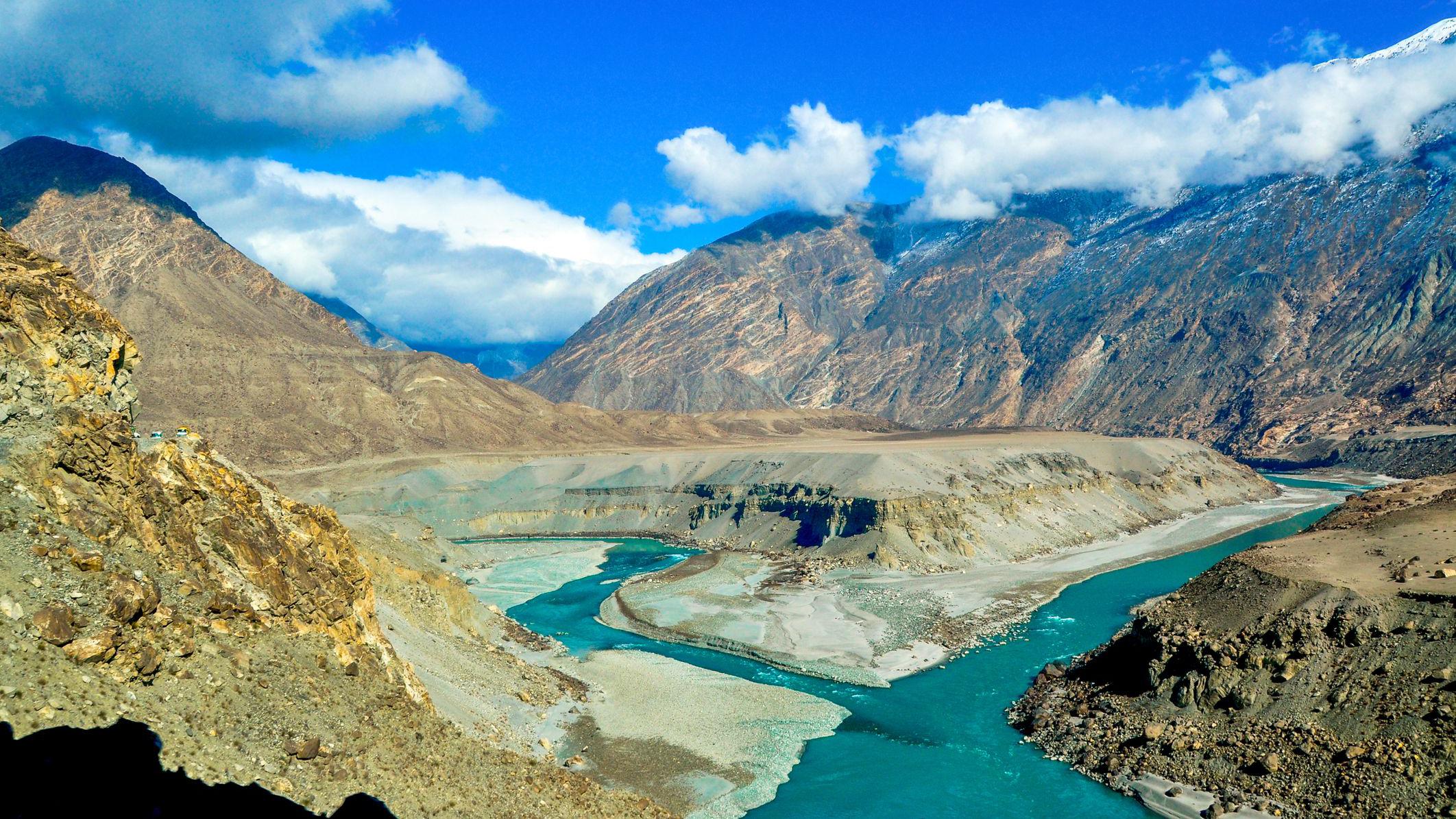
According to the French journal, more than 80 percent of Pakistan’s agriculture depends on the Indus River system. The Indus River system is of fundamental importance to Pakistan’s economy and population. India itself is worried about the upper water pressure at the hands of China. India feels the same threat with China over the Brahmaputra issue that Pakistan feels from India.
The report further states that the water dispute is no longer a bilateral issue but has become a question of security and environment for the entire South Asia. Climate change, melting glaciers and population growth make Pak-India water cooperation more important than ever.
The French journal’s report further states that India’s unilateral approach could set a dangerous example for international river laws and water flow rights, and Pakistan’s stance has been strengthened globally that water should not be a source of war, pressure or revenge.