Mental health crisis deepens in IIOJK amid prolonged conflict and insecurity
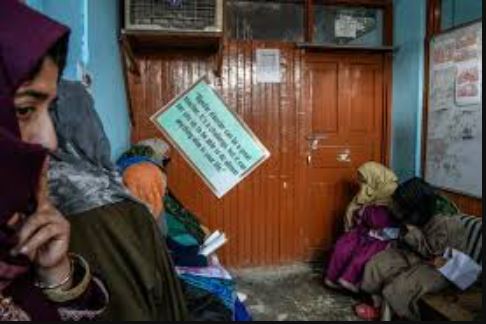
Srinagar: Indian illegally occupied Jammu and Kashmir (IIOJK) continues to grapple with widespread mental health problems, with decades of Indian occupation, the unresolved Kashmir dispute, persistent insecurity and socioeconomic pressures contributing to psychological distress among the population.
On the occasion of World Mental Health Day, observed annually on October 10, doctors and mental health professionals in Srinagar have highlighted the psychological toll of decades of conflict and called for greater awareness, timely intervention and improved access to mental health services. They noted that the prevalence of mental health problems in the Kashmir Valley has been reported to exceed global averages.
Prof. Dr. Mansoor Ahmad Dar, Head of the Department of Psychiatry, Dr. Zoya Mir, an RCI-licensed clinical psychologist and founder of Psychlite who holds an M.Phil. from IMHANS-Kashmir, and other experts have emphasized the importance of recognizing signs of psychological distress and providing timely, compassionate support to those in need.

The experts noted that prolonged conflict, persistent fear and exposure to traumatic experiences can contribute to anxiety, depression and post-traumatic stress disorder (PTSD). They also identified financial hardships, unemployment, family disputes and academic pressure as additional factors that can adversely affect mental well-being.
The Médecins Sans Frontières (MSF) and the Institute of Mental Health and Neuroscience (IMHANS) indicate that approximately 45% of the adult population in the Kashmir Valley (about 1.8 million individuals) have experienced significant mental distress.
According to a mental health survey conducted by Médecins Sans Frontières (MSF), in collaboration with the Department of Psychology at the University of Kashmir and the Institute of Mental Health and Neurosciences (IMHANS), nearly 1.8 million adults—about 45 per cent of the adult population in the Kashmir Valley—experienced significant mental distress associated with prolonged conflict, fear and trauma. The survey found symptoms of probable depression in 41 per cent of adults, probable anxiety in 26 per cent and probable PTSD in 19 per cent.
The findings also highlighted the association between psychological distress and exposure to traumatic events, with women and people who had experienced greater adversity among the groups facing elevated risks.
The mental health professionals emphasised that families and communities have an important role in recognising signs of distress and helping affected individuals obtain appropriate care. They stressed the need for supportive family relationships, community networks and accessible professional services, particularly for people experiencing severe emotional distress or suicidal thoughts.
The experts called for a compassionate, non-stigmatising approach towards people experiencing mental health difficulties. They urged families and communities to foster supportive environments, promote healthy lifestyles and ensure that people can seek psychological and psychiatric assistance without fear, shame or discrimination.
In IIOJK, the prolonged political dispute and prevailing security environment have remained central concerns in discussions about psychological well-being. Local observers have also cited cordon-and-search operations, house raids, property attachments and prolonged detentions under draconian laws as sources of fear and uncertainty for sections of the population.
They have further linked psychological distress to the restrictions imposed following the Indian government’s August 5, 2019, move concerning occupied Jammu and Kashmir, as well as continuing insecurity and human rights concerns. Beatings, torture, arbitrary arrests and extrajudicial killings by Indian troops have also been cited as factors contributing to fear and emotional trauma among affected individuals and families.
The observers stressed that addressing Kashmir’s mental health crisis requires more than medical treatment alone. They called for sustained investment in mental health services, protection of fundamental rights and efforts to address the underlying sources of distress, alongside greater public awareness and community-based support.
The continuing mental health crisis in Kashmir highlights the urgent need for accessible treatment, sustained psychological support and conditions in which people can live with dignity, security and peace.