Amnesty slams India’s crackdown on peaceful protesters in Delhi
30,000 forces deployed amid arrests, curbs and internet shutdown
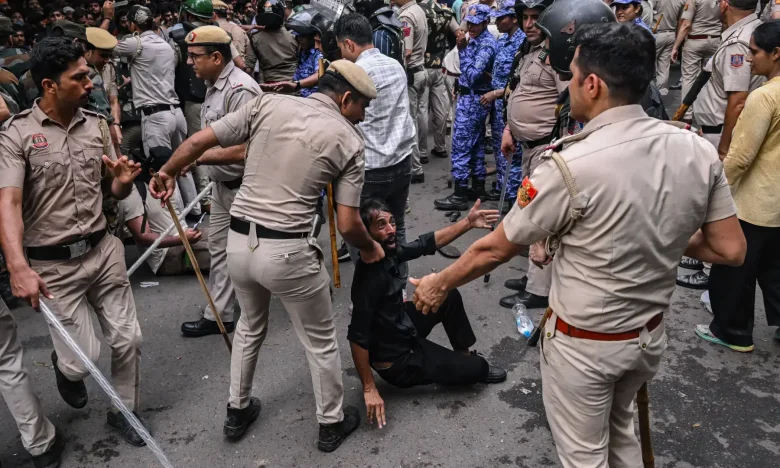
New Delhi: Amnesty International has condemned sweeping restrictions imposed by Indian authorities on planned protests in New Delhi, calling for an immediate end to measures that undermine the fundamental rights to peaceful assembly and freedom of expression.
Amnesty International’s Chair of the Board, Aakar Patel, said the Indian authorities were using extensive measures including detentions and restrictions on public transport and internet access to prevent protesters from demonstrating against irregularities in electoral rolls.
In a statement issued on October 9, Patel said peaceful protesters must be allowed to demand accountability from those in power without facing intimidation, arbitrary detention or sweeping restrictions on their freedoms.


He urged the authorities to lift the restrictions immediately, stressing that the right to peaceful protest was protected under India’s Constitution and international human rights obligations.
The protests, led by the Cockroach Janata Party, student unions and opposition parties, began on October 2 to demand the resignation of Chief Election Commissioner Gyanesh Kumar over controversy surrounding the Election Commission’s Special Intensive Revision (SIR) of electoral rolls. According to Amnesty International, more than 130 million people have been deleted from electoral rolls since 2025.
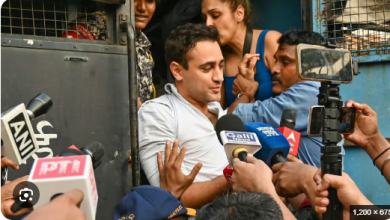
Delhi Police denied permission for the planned October 10 demonstration at Jantar Mantar, while student activists and political workers were detained, placed under house arrest or intercepted while travelling to the capital by road, rail and air.
The authorities also announced extensive restrictions on transport into Delhi, including curbs on buses, trucks, tractors and other large vehicles. A 24-hour mobile internet shutdown was ordered within a four-kilometre radius of the protest sites in central Delhi.
Reports of train cancellations, police raids and detentions of activists have further intensified concerns over the proportionality of the harsh measures and their impact on citizens’ freedom of movement, communication and political participation.
Around 22,000 armed personnel were brought to the capital, in addition to more than 10,000 Delhi Police personnel, taking the planned deployment to approximately 30,000 personnel.
The Indian Supreme Court on Friday directed the government not to completely suspend train services to Delhi or shut down Delhi Metro stations. It called for the services to be regulated in accordance with the principle of proportionality so that public transport remained accessible and commuters were not unnecessarily inconvenienced.
The court also asked New Delhi to consider an alternative venue for peaceful protests, stressing the need for adequate facilities and amenities for demonstrators.
Amnesty International maintained that arrangements should protect the public rather than punish people for exercising their fundamental rights. Patel urged the authorities to exercise the utmost restraint and take all necessary steps to facilitate peaceful assembly.
The developments have renewed concerns over electoral transparency, police accountability and the protection of democratic freedoms in India, with the controversy highlighting the need for transparent electoral procedures and effective safeguards against arbitrary restrictions on peaceful dissent.