Six US lawmakers urge Rubio to raise India’s crackdown on protesters during visit
Letter flags police brutality, internet shutdowns and surveillance of demonstrators on US soil

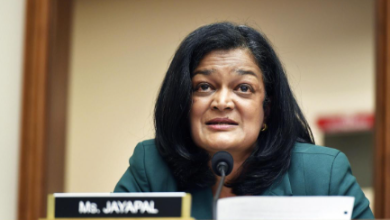
Washington : Six US lawmakers, including Pramila Jayapal and Ilhan Omar, have urged US Secretary of State Marco Rubio to raise concerns with Indian officials over the excessive use of force, arbitrary detentions and restrictions on protests against the Special Intensive Revision (SIR) of electoral rolls and Chief Election Commissioner Gyanesh Kumar.
According to Kashmir Media Service, the lawmakers, also including Jim McGovern, Rashida Tlaib, Eleanor Holmes Norton, and Jesus Garcia, accused Indian diplomatic missions in the United States of deploying photographers to monitor demonstrators showing solidarity with the Cockroach Janata Party (CJP) student movement.
In a letter sent to Rubio on Friday, the lawmakers expressed concern over what they described as a pattern of repression, wrongful detention and excessive use of force against students and other protesters in Delhi and elsewhere in India.
“We ask that you prioritize these subjects in discussions with your counterparts in India,” the letter said.
Rubio is visiting India between October 17 and 22 and is scheduled to meet Indian External Affairs Minister S Jaishankar in Mumbai.
The lawmakers cited the CJP protests against then Indian Education Minister Dharmendra Pradhan and the ongoing demonstrations seeking the resignation of CEC Gyanesh Kumar as examples of alleged use of excessive forces against protesters. They also raised concerns over the handling of protests since July, including reports of mass detentions in Mumbai.
“Throughout the year, human rights organizations and reporters documented the use of tear gas, pellet guns, and batons by police and paramilitary forces against unarmed protesters in contravention of guidelines established by the Office of the United Nations High Commissioner for Human Rights and India’s own home ministry,” the letter said.
“The free exercise of fundamental freedoms and the right to vote is core to the democratic identities of both the United States and India,” the lawmakers said, urging Rubio to use his visit to address the concerns with Indian officials.
*Internet shutdowns and surveillance in the US*
The letter also criticised internet shutdowns imposed during protests, warning that restrictions on mobile internet services undermine access to information and freedom of expression.
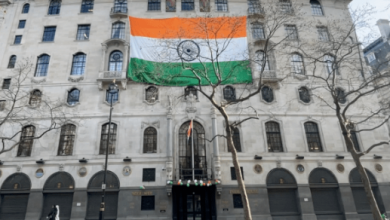
They further said that Indian diplomatic missions had hired photographers to monitor protesters on US soil. According to the letter, members of US human rights organisations and the Indian diaspora who participated in solidarity demonstrations in Washington, D.C., Chicago and San Francisco reported being photographed by individuals who claimed to have been hired by the Indian Embassy and consulates.
The lawmakers said the allegations were particularly troubling in light of reports of India’s alleged transnational repression, including intimidation, harassment and violence targeting members of the diaspora.
They stressed that people in the United States must be able to exercise their constitutional rights to freedom of expression and peaceful assembly without fear of retaliation by a foreign government.
The letter also cited the US State Department’s 2024 Country Reports on Human Rights Practices, which documented instances of alleged Indian transnational repression targeting diaspora communities, including civil society activists, human rights defenders, academics and journalists.
The lawmakers urged Rubio to press the Indian government to initiate “thorough, transparent, and independent investigations” of human rights abuses, encourage the release of illegally detained people and investigate reports that Indian diplomatic missions surveilled and intimidated protesters within the US.
They also called for an assessment of whether India had engaged in a consistent pattern of acts of intimidation or harassment against individuals in the US and whether such conduct made Delhi ineligible for US arms sales.