Factors behind exclusion, demonization of Kashmiri Muslim doctors in India
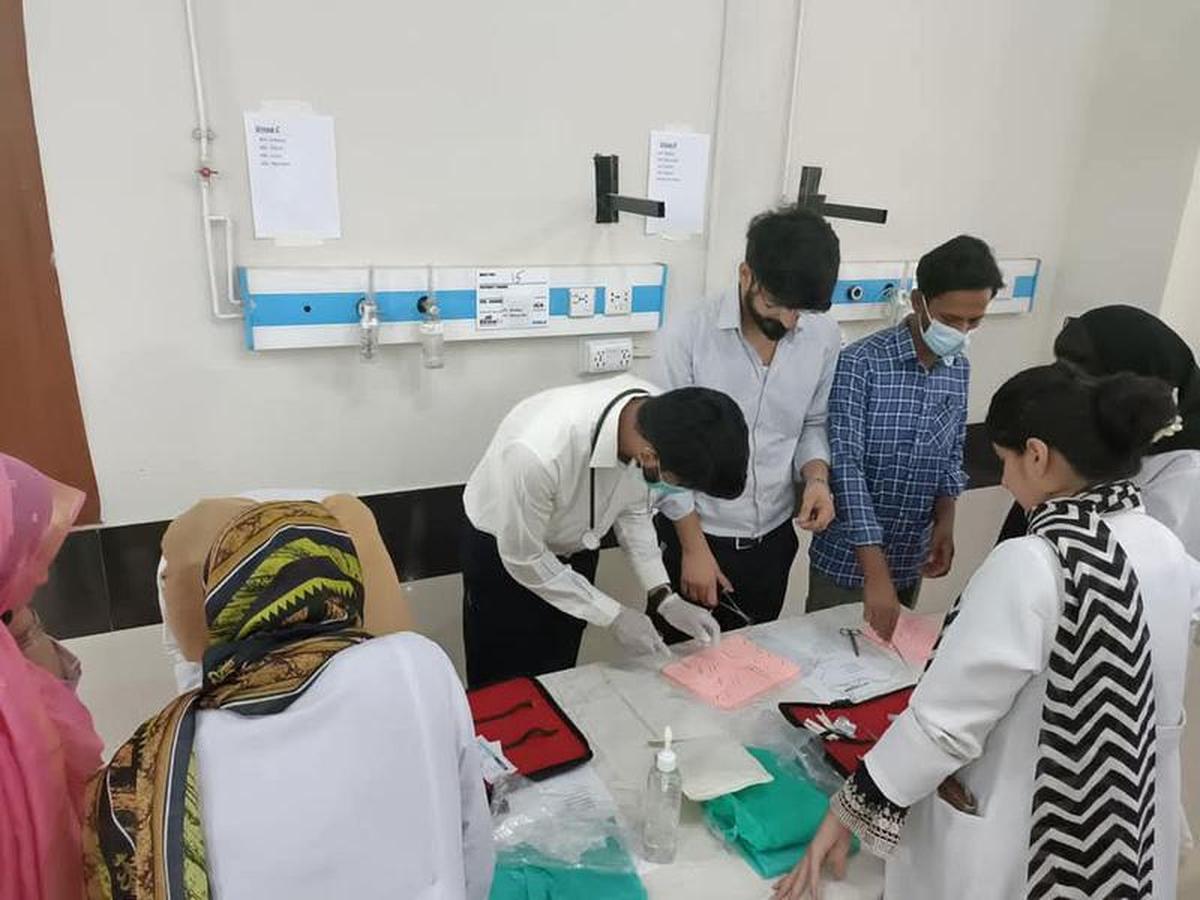
Srinagar: Muslim medical professionals inside India, particularly those from occupied Jammu and Kashmir, are facing a coordinated campaign of exclusion, profiling, and intimidation over the last decade, with incidents culminating in the barring of Tabassum from Guru Teg Bahadur (GTB) Hospital, Delhi, on 7 November 2025 for wearing a burqa despite a valid gate pass.
According to Kashmir Media Service, observers say the campaign reflects institutionalized Islamophobia and a broader strategy to marginalize Muslims socially, economically, and professionally.
Kashmiri doctors educated in Pakistan and Bangladesh have been systematically denied internships, placements, and recognition of their degrees since 2018, with intensified restrictions after the 2019 Pulwama attack. The National Medical Commission’s April 2022 notice barred Indian citizens enrolled in Pakistan after December 2018 from appearing in the Foreign Medical Graduate Examination (FMGE), effectively preventing hundreds of graduates from practicing in India. Approximately 256 Kashmiri students (including 155 women) graduated from Pakistani medical colleges between 2014–2018, and around 700 were enrolled during the COVID-19 pandemic years.

In 2025, authorities alleged involvement of multiple Kashmiri and Muslim doctors in the Red Fort blast, including Dr. Muzammil Ahmad Ganaie, Dr. Umar Mohammad Nabi, and Dr. Adeel Ahmad Rather, among others. Police raids, with some family members and associates detained. Human rights observers note that such allegations are often used to justify systematic exclusion and public stigmatization, discouraging Muslims from pursuing higher education or professional careers abroad.
Experts say this decades-long campaign serves multiple objectives: concentrating medical authority in the hands of Hindu practitioners, relegating Muslims to lower socio-economic status, and using anti-Pakistan rhetoric to legitimize domestic repression. The state-aligned media has routinely portrayed Kashmiri and Pakistani-educated doctors as security threats, reinforcing public suspicion and enabling routine discrimination in hospitals and public spaces.
The cumulative effect has been devastating: emotional strain, stalled careers, social isolation, and normalization of humiliation in everyday life. Pakistan’s Medical and Dental Council (PMDC) responded in 2024 by granting permanent licenses to Kashmiri graduates, acknowledging their professional displacement in India.
Observers and civil society call for urgent intervention by international human rights and medical bodies, demanding investigations into discriminatory policies and protection of professional and constitutional rights for Muslim doctors. They warn that these systematic exclusions not only violate fundamental freedoms but also perpetuate structural inequalities and religious intolerance.