‘Dark day for judiciary’: Critics slam Indian SC verdict upholding electoral roll revision
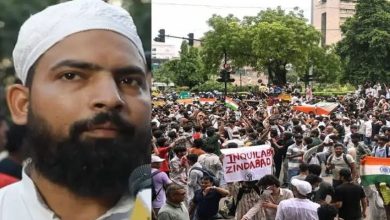
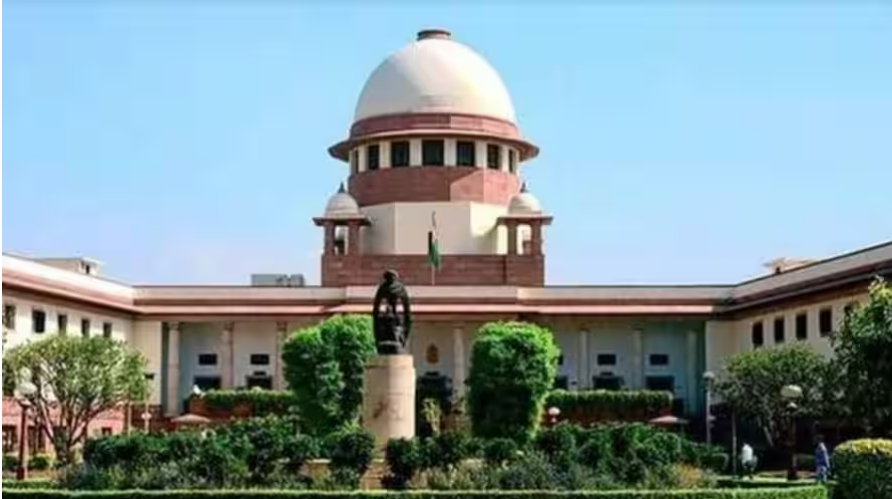 New Delhi: The Indian Supreme Court’s judgment upholding the Election Commission’s Special Intensive Revision (SIR) of electoral rolls has triggered strong criticism from political activists, legal experts, and former civil servants, who termed it a “constitutional abdication” and a “brazen miscarriage of justice.”
According to Kashmir Media Service, political activist and petitioner Yogendra Yadav said that the ruling effectively legitimizes the disenfranchisement of at least 59 million citizens — a figure, he warned could rise to 100 million.
Yadav said he had deliberately skipped the hearing, stating that the outcome had already been decided. “The case was decided long ago,” he remarked and said tha that the court had shifted its focus away from examining the constitutionality of the SIR and reduced itself into a forum focused on grievance redressal rather than constitutional principles.
He further criticised remarks made during the proceedings suggesting that voters excluded from the rolls could simply vote in future elections, saying the observation reflected a complete abandonment of constitutional responsibility.

Indian SC lawyer and activist Prashant Bhushan also strongly criticized the verdict calling it a “dark day for the judiciary”. He said that the SIR process was carried out in a non-transparent manner by a “partisan Election Commission,” resulting in the deletion of more than 10 percent of voters from electoral rolls in several states.
Bhushan said the judgment came months after elections had already been conducted using the revised voter lists, raising serious questions about electoral fairness and democratic accountability.
Former civil servant Ashish Joshi described the judgment as a “shameful judicial surrender dressed up as law”, arguing the court had effectively weakened citizens’ voting rights by endorsing a process in which even official identity documents such as Aadhaar and voter ID cards were no longer treated as sufficient proof for electoral inclusion.
He warned that if state-issued identity documents could not guarantee voting rights, the democratic process itself would come under threat. Comparing the ruling to the Babri Masjid verdict, Joshi accused the Court of prioritising “majoritarian convenience over constitutional principles.”
“The Supreme Court didn’t protect democracy — it buried it. History will remember this as one of its darkest days,” he said.