Pattern of sexual abuse in Indian Army exposes systemic impunity

Islamabad: A deeply troubling pattern of sexual abuse and harassment within the Indian Army has once again come under scrutiny, exposing a grave problem that spans decades and is consistently met with cover-ups and institutional silence.
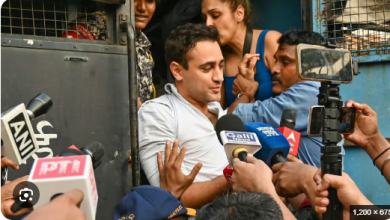
According to Kashmir Media Service, retired Colonel Amit Kumar recently revealed that his wife was raped by senior military officers in Odisha after he brought her from the family ward. Despite video evidence and a formal FIR naming three brigadiers and a lieutenant colonel, the accused were cleared by an internal inquiry led by the very officers involved in the crime. Kumar publicly accused the Indian Army leadership and police of collusion, saying victims are intimidated and silenced instead of being protected.
This incident is not an isolated case. In 2015, a young woman officer of the Army’s Signal Corps in Rajasthan lodged detailed complaints against her commanding officer for sexual harassment and abusive remarks. Action was deliberately delayed for months, worsening her trauma and forcing appeals to the Defence Minister. Earlier, in 2008, Captain Poonam Kaur of the Army Supply Corps accused senior officers of mental and sexual harassment, only to be declared guilty of making false allegations in a process widely condemned as victim-blaming.

On an even larger scale, the Indian Army has been involved in mass sexual violence during operations in occupied Jammu and Kashmir. The 1991 Kunan and Poshpora incident in Kupwara district remains the most notorious example, where Indian soldiers gang-raped dozens of Kashmiri women during a search operation. While an FIR documented 23 victims, rights groups believe the actual number was close to 100. To date, justice has been denied, despite international condemnation.
Similar atrocities have also been reported in Kashmir and India’s Northeast since the early 1990s, establishing a disturbing pattern of abuse, intimidation, and impunity. Despite official claims of “zero tolerance,” most cases are either delayed, buried, or investigated by officers themselves, leaving victims without justice.
Observers say that the revelations of Colonel Amit Kumar, coupled with historical cases involving women officers and civilians, paint a chilling picture of sexual violence entrenched within the ranks of the Indian Army. The ongoing failure to deliver accountability underscores the urgent need for transparent, independent investigations and victim-centered justice mechanisms.