41 years on, survivors recall horror of anti-Sikh genocide across India
Justice remains elusive for victims of 1984 carnage
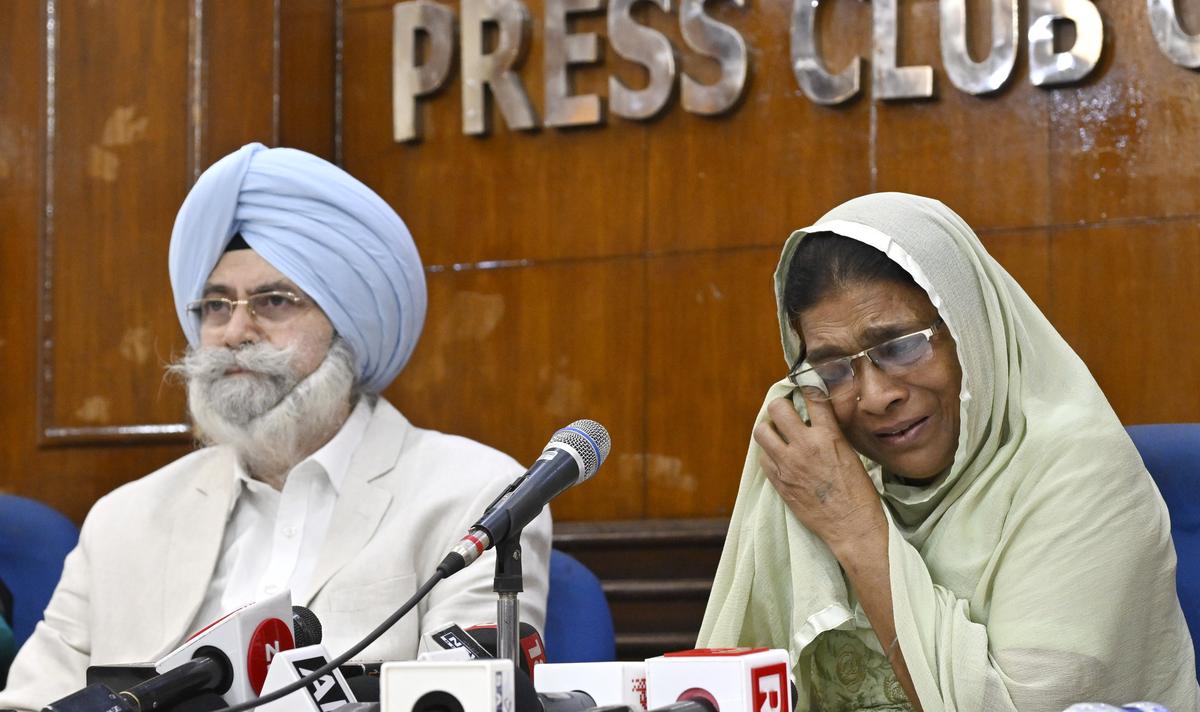
New Delhi: As India marks 41 years since the 1984 anti-Sikh riots, survivors and rights advocates continue to recall the horror and injustice of one of the darkest chapters in the country’s history when thousands of Sikhs were massacred across India with the open collusion of state machinery.
According to Kashmir Media Service, the carnage broke out following the assassination of then Indian Prime Minister Indira Gandhi on October 31, 1984. For several days beginning November 1, organized mobs, with political patronage and police support, unleashed violence against Sikh men, women, and children. Eyewitnesses and rights groups maintain that the Indian police not only failed to protect the victims but actively assisted the attackers in identifying Sikh homes and setting them ablaze.
“The 1984 marked not only the murder of countless citizens but also the death of justice itself. The entire legal system collapsed. The blindfolded statue of Lady Justice mirrored the blindness of judges who refused to see the crimes around them,” said one of the Sikh survivors while speaking to the media. “Judicial activism vanished when it came to the genocide of Sikhs,” he added.

Darshan Kaur, a survivor from Trilokpuri, recounted the horror of losing her family as mobs stormed her home. “We did not even know Indira Gandhi had been killed until the next day. By then, the rioters had already begun their rampage. They threw bottles filled with chemicals into our home. My husband was dragged away and killed. My brother-in-law was murdered before my eyes,” she said, still awaiting justice after four decades.
Senior advocate H.S. Phoolka, co-author of When a Tree Shook Delhi: The 1984 Carnage and Its Aftermath, recalled that it was not until 2017—33 years after the genocide—that the Supreme Court, under then Chief Justice Deepak Misra, took serious steps by forming a Special Investigation Team (SIT) to reopen hundreds of closed cases.
However, despite the passage of 41 years, justice remains painfully slow. Out of thousands of cases filed, only around 400 people have been convicted, and barely 50 of them for murder.
The APHC and international human rights defenders have time and again condemned the Indian state’s failure to punish the perpetrators of the 1984 Sikh genocide, stressing that such impunity has emboldened extremist forces that continue to target minorities in India.
The survivors, still haunted by memories of the pogrom, reiterate a simple demand: truth, accountability, and justice that has been denied for 41 long years.










2 Comments