India’s immigration system exposed as weak amid claims of triple passport holder
New Delhi: India’s immigration and passport control systems have come under scrutiny after investigative agencies claimed that Dr. Shaheen Shahid, labelled a “terrorist” by Indian authorities, allegedly held three different passports, each listing different addresses and guardians in Kanpur, Lucknow, and Faridabad.
According to Kashmir Media Service, analysts say the case underscores systemic weaknesses in India’s border, identity, and passport controls.
Indian agencies claim Dr. Shahid used these documents to undertake multiple foreign trips, including alleged visits to Pakistan. Experts, however, question these claims, noting inconsistencies in India’s narrative: no commercial flights connect India directly to Pakistan via PIA or Air India, and if alternative carriers were used, Indian authorities would possess travel records. Critics say the case appears engineered to create a narrative that supports India’s political agenda, while highlighting administrative lapses.


The case also points to broader risks in India’s fragmented immigration system. Dr. Shahid allegedly concealed her identity and expanded a purported cross-border network, while her brother, residing in the Maldives, is reportedly under investigation for potential involvement. These incidents expose how weak passport and border controls can facilitate international movement for criminal or extremist elements.
In November 2025, India’s immigration flaws were further exposed when internationally wanted British criminal Jordan Joseph Peter Fitz Patrick escaped from Delhi’s Indira Gandhi International Airport. Despite being under surveillance, he bypassed multiple layers of security, triggering a large-scale manhunt involving Delhi Police, CISF, the Bureau of Immigration, and the Intelligence Bureau. The incident highlighted failures in deportee tracking, inter-agency coordination, and technological safeguards.
Experts say these incidents reflect structural weaknesses in India’s immigration framework: outdated laws, poor coordination among agencies, and procedural lapses that allow fugitives and criminals to operate with impunity. Although the Immigration and Foreigners Bill 2025 promises biometric verification and centralization, implementation gaps continue to undermine border security.
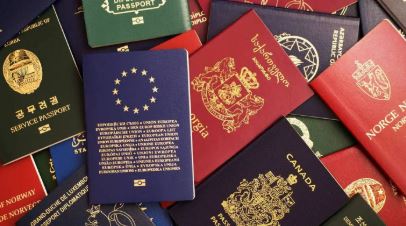
Coupled with India’s declining global passport ranking—85th on the Henley Passport Index—these failures not only compromise national security but also damage India’s international credibility, making its immigration system a fertile ground for criminals, extremists, and fugitives.