UP’s massive detention centre plan fears Muslims, Bareilly raids intensified
Lucknow: The BJP-led Uttar Pradesh government’s move to establish large detention centres across the state has triggered deep anxiety among Muslim communities, who fear the new facilities could be used to harass genuine Indian citizens under the pretext of tracing “illegal immigrants”.
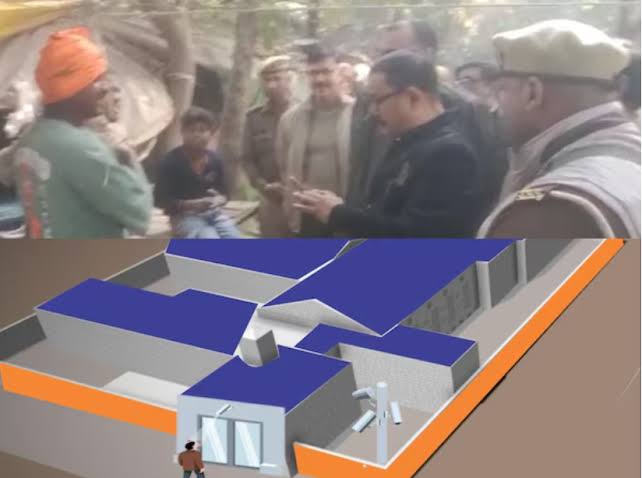
According to Kashmir Media Service, a divisional-level demo model of a massive detention centre has already been prepared in Lucknow and forwarded to the state government for approval. The model reportedly proposes a capacity of 15,000 detainees, with biometric access gates, CCTV surveillance, face recognition, and a three-layer clearance system—all restricted only to authorised officers.
Officials said the centres may also deploy 50 Central Security Force personnel, with men and women housed in separate blocks inside the same compound.


Human rights defenders warn that these steps are heightening suspicions among Muslims, who feel the exercise is less about immigration control and more about profiling a beleaguered minority.
Rights activist Rehana Siddiqui told media that the secrecy and speed of the project “make Muslims feel they are being watched, doubted and singled out,” adding that past experiences in other BJP-ruled states have already eroded trust.
Meanwhile, the district administration in Bareilly has launched intense raids and document checks in slums and densely populated settlements. On Saturday, DM Avinash Singh and SSP Anurag Arya personally inspected University Road, questioning residents about identity papers and residency status.
The administration claims the crackdown is aimed at identifying “illegal Rohingya and Bangladeshi infiltrators”, but local Muslims say they feel criminalised in their own homeland.
A Bareilly resident, requesting anonymity, said, “We were born here. Our parents are buried here. But when officers storm into our homes asking questions, we feel like strangers in our own country.” Another resident noted that people were now afraid to sleep at night due to repeated surprise inspections.