Modi shielding ‘friend’ Netanyahu, staying silent on Israeli actions in West Asia: Congress
New Delhi: In India, the Congress has launched a sharp attack on Prime Minister Narendra Modi, accusing him of deliberately remaining silent on what it termed escalating Israeli aggression in West Asia to avoid confronting his “close ally,” Israeli Prime Minister Benjamin Netanyahu.
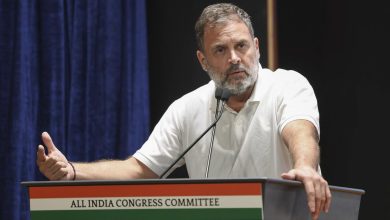
According to Kashmir Media Service, Congress General Secretary Jairam Ramesh, in a strongly worded statement, questioned Modi’s failure to speak out amid intensifying US–Israel actions against Iran and ongoing developments in Gaza, southern Lebanon, and the West Bank. He said that global attention is being deliberately diverted while Israel continues what he described as “brutalities” against Palestinians.
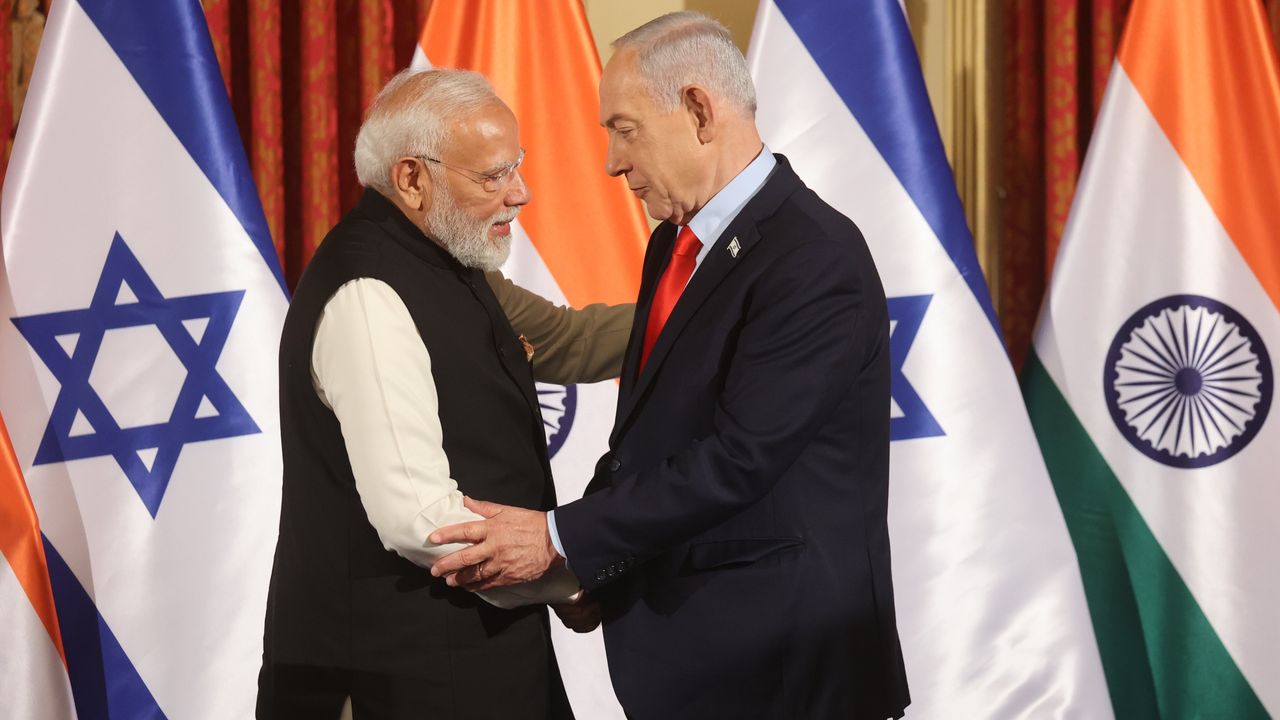
Jairam Ramesh criticized Modi’s recent visit to Israel, saying it coincided with a critical phase in the conflict, yet the Indian Prime Minister chose silence instead of holding his “good friend” Netanyahu accountable. He said that over the past weeks, while international focus remained on tensions in the Gulf and the Strait of Hormuz, Israel continued military operations in Gaza, initiated moves to create a buffer zone in southern Lebanon, and accelerated steps aimed at consolidating its control over the occupied West Bank.


He further said that these developments reflect a broader agenda to advance the concept of a “Greater Israel,” undermining any realistic prospects for an independent Palestinian state. The Congress leader also pointed out that US–Israel bombardment of Iran began shortly after Modi’s Israel visit, raising serious questions about timing and diplomatic positioning.
Highlighting another controversial move, Jairam said the Israeli Cabinet had approved land registration in nearly half of the occupied West Bank for the first time since 1967, a decision he warned could dispossess lakhs of Palestinians and further entrench occupation.
Political analysts said the Congress criticism underscores growing concerns within India over the government’s foreign policy tilt and its reluctance to address sensitive international issues where strategic alliances may be influencing diplomatic silence. They added that such positioning risks undermining India’s longstanding stance on Palestine and raises questions about its credibility on global human rights issues.