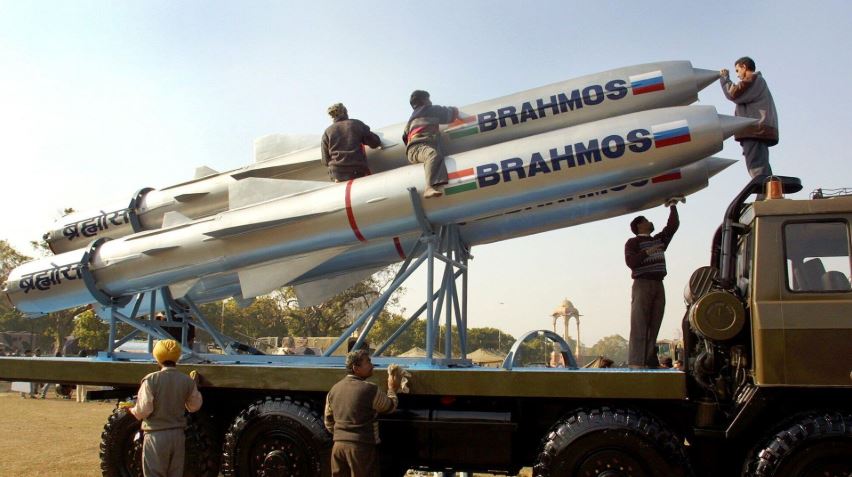
New Delhi: India’s evolving missile programme is drawing increasing concern, with observers and experts warning that its expanding capabilities may pose risks beyond the regional domain and impact global strategic stability.
According to Kashmir Media Service, India’s aggressively evolving missile posture is no longer a regional issue. It is increasingly being viewed as a potential risk to global strategic stability, observers say.
Statements attributed to the leadership of India’s Defence Research and Development Organisation indicate readiness to test the nuclear-capable Agni-VI, reportedly with a range of up to 12,000 km and multiple warhead capability, experts note.


Such range far exceeds regional deterrence requirements, extending reach into Europe, the Middle East, and North America. This places India in a category historically reserved for major nuclear powers engaged in global-scale strategic rivalries, according to analysts.
This raises a fundamental concern: does this trajectory pose a risk to world peace?
Observers say if China and Pakistan are already within range of existing systems, what strategic necessity justifies a 12,000 km ICBM?
Is India moving from a doctrine of regional deterrence to one of global reach without corresponding accountability?
Observers and experts emphasize that the the central question remains: who is India targeting, and why is the world not asking this more directly?