With 28 deaths under Dogra rule, Kashmiri Shawl weavers seen as early pioneers of labour movement
Srinagar: The world observes the May Day on May 1 in memory of labor protests of 1886 at the Haymarket Square, Chicago, to express solidarity with the workers; however, the fact is, Kashmiri workers associated with shawl weaving took to the streets of Srinagar on 29 April 1865, almost 22-years before the Haymarket incident, protesting against high taxes.
According to Kashmir Media Service, Mirdu Rai, author of Hindu Rulers, Muslim Subjects: Islam, Rights, and the History of Kashmir, said the system of taxation imposed by Hindu Dogra rulers in Kashmir was such that only the barest margin of subsistence was allowed to the Muslim Kashmiri workers.
At least 28 shawl weavers were put to death by the forces of the ruling Maharaja Ranbir Singh on 29 April 1865 at Zaldagar area of old Srinagar city. Those unarmed shawl weavers were protesting against the cruel taxation of the exploitative working conditions.


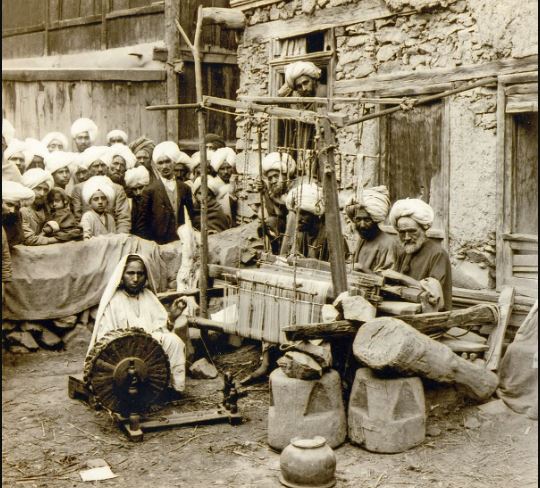
The shawl weavers of Srinagar were compelled by the circumstances of turbulent working conditions, unfair wages, excessive taxation and a ban on weavers who wanted to leave Kashmir valley in search of better livelihoods.
Historians have recorded that 28 unarmed weavers were thrown in the river and scores were injured in bullet shots. “Next day the dead bodies were recovered from the stream and were paraded by the weavers to drive attention of ruler. The organizers of the procession were stopped and arrested and even flogged,” says Rehka Chowdary, a teacher at the University of Jammu. Rasool Sheikh, Ali Pal, Abdul Qudus, and Sona Shah, the leaders who had led the procession, were imprisoned in Bahu Fort prison in Jammu region. They never returned to Kashmir and died in jails.
Neither any inquiry was instituted nor was any memorial ever dedicated to the first trade union movement of the world, which happened much before the Chicago incident or even before the Russian or Chinese communist revolutions, which were touted as the result of worker’s resistance to exploitation. It is ironic that this movement has not even received any recognition from the trade unions or global labor movements.
The Kashmiri shawl, carpet and handicraft industry workers’ agitation against the cruel taxation system and working conditions at least 22 years before the protests of the Haymarket labour movement. They were the pioneers of industry-wise workers’ rights movements in the world.
Every year, people in Kashmir, particularly the businesses related to Pashmina trade, commemorate the death anniversary of those innocent weavers. They observe April 29 instead of May 1 as the Labour Day, viewing it as a day of historical labour resistance predating global May Day observances. It was the day when hard working shawl weavers marched through the streets of Srinagar’s old city against the cruel tax policies imposed on them by the Dogra regime.