Critics describe crisis in Manipur as result of BJP govt’s “state terrorism”, poor administrative strategy
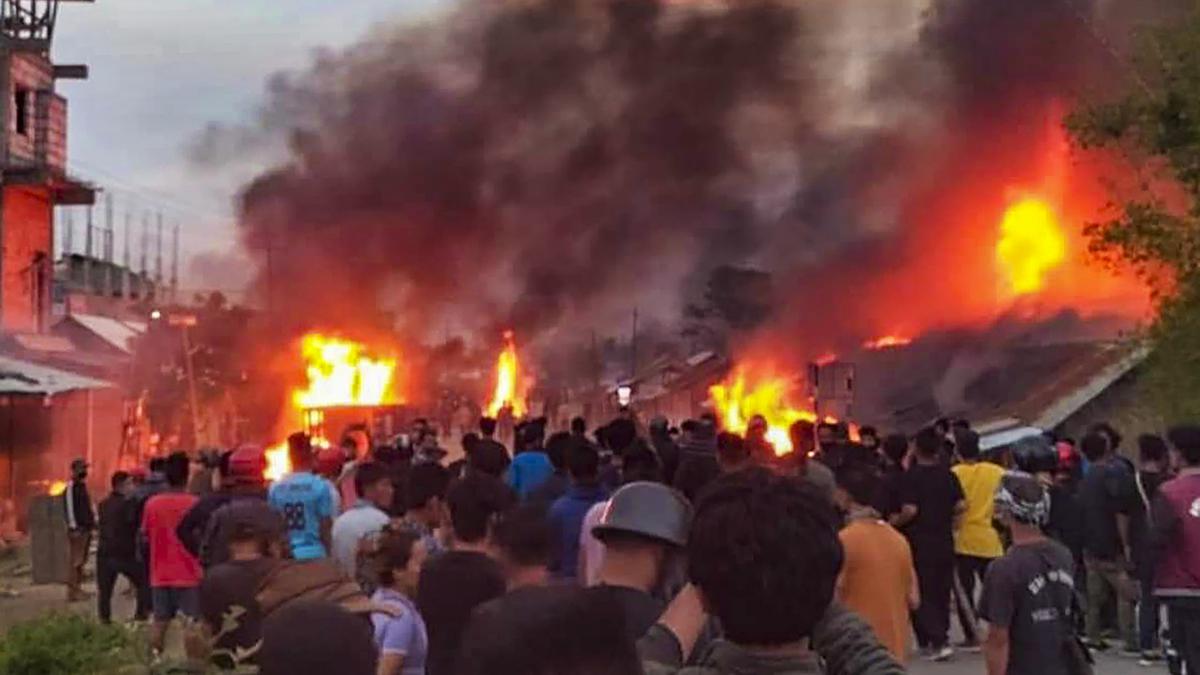
Islamabad : The ongoing crisis in Manipur is being described by critics as the result of BJP government’s “state terrorism” and poor administrative strategy, while the situation has further worsened.
According to Kashmir Media Service, fresh reports say six more civilians have gone missing, causing severe fear and anger among affected families.
Tensions and disruptions during the operation have further complicated ground conditions.


Recent events have raised questions over government’s claims, and victims are demanding immediate justice, transparent investigations, and restoration of peace.
Since May 2023, the Indian government’s handling of the Manipur crisis clearly reflects a failure to ensure civilian protection and restore peace.
Over 260 people have been killed, over 60,000 displaced, thousands of homes burnt and religious places destroyed, reflecting a severe humanitarian tragedy.
Recent incidents, including the April 2026 Thoranglabi bomb blast in which two Meitei children were killed and their mother injured, highlight ongoing insecurity and civilian vulnerability.
After the blast, security forces opened fire on protesters, killing two more people, highlighting chaos in crowd control and lack of accountability.
A May 2026 attack, in which three church leaders were killed, followed by subsequent kidnappings while six Naga civilians remain missing, shows that violence continues to target civilians and community leaders.
Obstructions in search operations for missing Naga civilians indicate coordination failures and possible local interference.
Critics accuse both the Modi and Manipur governments of delayed intervention, bias in favor of Meitei groups, and failure to disarm armed elements.
Long-pending grievances regarding land, reservations, and political representation remain unresolved, further fueling the cycle of violence.
The absence of Prime Minister Narendra Modi from the state and slow, inconsistent steps toward peace have increased mistrust between communities.
The establishment of buffer zones, targeted killings, and extortion networks indicate that unrest in affected areas has taken an organized form.