Delhi University refuses to shift Eid exams, sparks discrimination row
New Delhi: Delhi University has refused to reschedule examinations falling on Eid-ul-Adha, a decision being widely criticized as forcing Muslim students to choose between practicing their faith and protecting their academic future.
According to Kashmir Media service, a law student from the university has moved the Delhi High Court challenging the decision to conduct exams on May 28, the date officially declared by India’s federal government as the Eid holiday. The petition argues that the university’s decision violates constitutional protections related to equality, religious freedom, dignity and minority rights.
The controversy erupted after university authorities announced that May 28 would be observed as an Eid holiday but simultaneously declared that examinations scheduled for the same day would continue without changes, a move that triggered anger among Muslim students and student organizations.

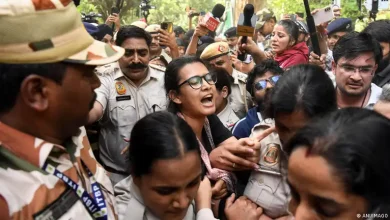
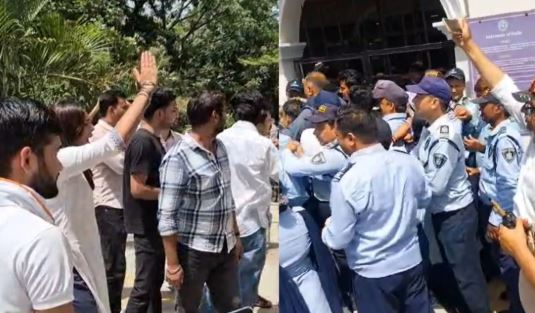
Student groups and activists described the decision as discriminatory, saying that the university administration had disregarded the religious obligations of thousands of Muslim students during one of Islam’s most significant festivals.
“The University administration has actively put its Muslim students in an untenable position,” Ahammed Rabeeh PR, president of the Fraternity Movement at Delhi University, wrote in a letter addressed to the vice chancellor and other senior officials. The letter said Muslim students were effectively being forced to choose “between their academic future and their basic right to practice their faith.”
The legal petition said that despite officially declaring the holiday on 28.05.2026, the university had arbitrarily decided to continue examinations on the said date.
The Students Islamic Organisation (SIO) Delhi unit also condemned the move, saying the decision ignored “religious observance, accessibility, and concerns of thousands of students.” Left-wing student group AISA similarly demanded immediate rescheduling of the examinations, arguing that the move undermined the secular and inclusive principles expected from a public institution.
The dispute has reignited concerns among Muslim groups in India, who say educational institutions and state bodies increasingly disregard Muslim religious practices and identity under the country’s Hindutva political climate.
Muslim students and rights activists say such decisions reflect a broader pattern of unequal religious accommodation in India’s public institutions, particularly under governments aligned with Prime Minister Narendra Modi’s BJP.