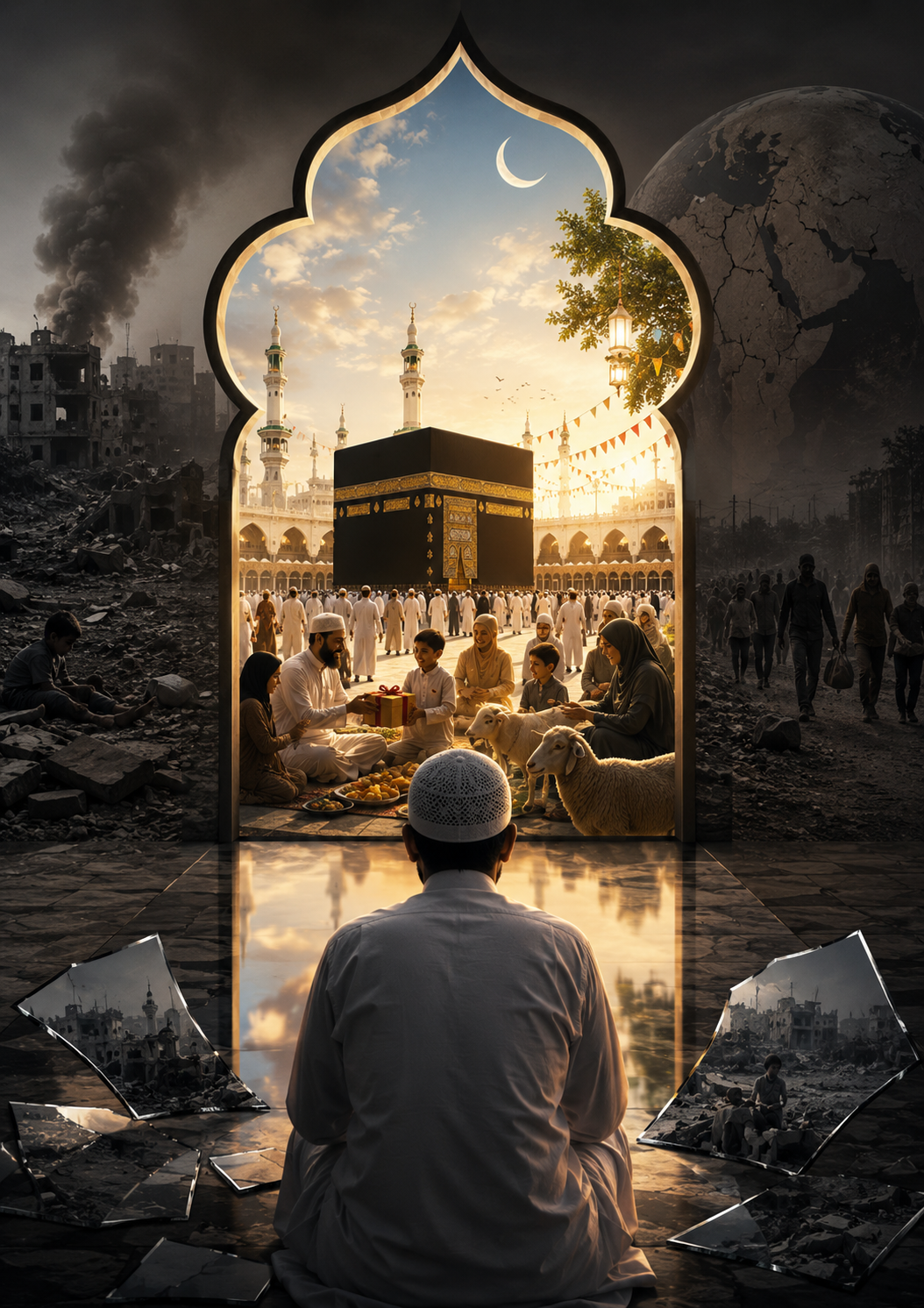
Eid-ul-Adha is not merely a religious festival marked by sacrifice and celebration; it is a profound reminder of faith, obedience, patience and moral responsibility. The spirit of Sunnat-e-Ibrahimi teaches Muslims the values of sacrifice for truth, justice and humanity. In the present global environment, this occasion demands deep self-introspection by the Muslim Ummah at both the individual and collective levels.
Today, Muslims across many parts of the world are facing political instability, occupation, discrimination, violence and social fragmentation. From Indian illegally occupied Jammu and Kashmir to Palestine and the Rohingya regions, millions continue to suffer due to denial of basic rights, military aggression and systematic injustice. The global Muslim community cannot remain indifferent to these realities.

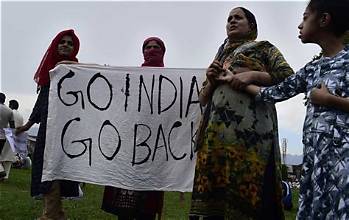
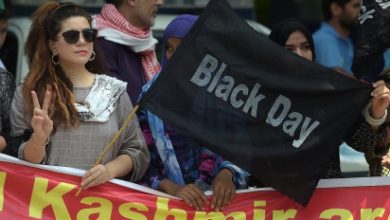
The situation in Indian illegally occupied Jammu and Kashmir remains deeply concerning. The territory continues to witness heavy militarization, restrictions on political freedoms, curbs on media and communications, demographic changes and suppression of dissent following India’s actions of August 2019. The unresolved Kashmir dispute remains a serious challenge to peace and stability in South Asia.
Similarly, the humanitarian catastrophe in Palestine, particularly in Gaza, has shaken the conscience of the world. Thousands of innocent civilians, including women and children, have lost their lives amid continuing violence and blockade. The suffering of Palestinians once again highlights the failure of the international community to ensure justice and implementation of international law.
At the same time, Indian Muslims are increasingly facing insecurity due to rising communal intolerance, mob violence and discriminatory policies. The spread of hate politics and religious extremism poses a threat not only to Muslims but also to the secular and democratic fabric of society.
Eid-ul-Adha therefore comes as an opportunity for Muslims to strengthen unity, moral character and collective responsibility. The Muslim world must rise above internal divisions and adopt a clear strategy for defending the rights of oppressed peoples and promoting peace, justice and human dignity.
International organizations, including the United Nations and the OIC, must also play an effective role in addressing long-pending disputes such as Jammu and Kashmir and Palestine in accordance with international resolutions and humanitarian principles.
The true message of Eid lies not only in ritual sacrifice, but also in sacrificing prejudice, injustice, hatred and silence in the face of oppression. Only through unity, moral courage and self-accountability can the Muslim Ummah move towards a more peaceful, dignified and secure future.