Another historic mosque in India under scanner as Hindutva group targets Gujarat’s Jamia Masjid
 Gandhinagar: Another centuries-old mosque in Modi’s India has come under the scrutiny after a Hindutva group claimed ancient idols lie within Gujarat’s historic Jamia Masjid, a move Muslims view as part of a recurring pattern aimed at targeting Islamic places of worship and pave the way for the takeover of historic mosques.
According to Kashmir Media Service, the latest dispute concerns the nearly 700-year-old Jamia Masjid in Bharuch, a protected monument under the Archaeological Survey of India (ASI), where Muslims have been offering prayers for generations.
A little-known organization, the Shri Chakradhar Swami Janmasthal National Heritage Protection Committee, has alleged that idols and other religious relics are present within the mosque complex and require preservation. The group claims to possess video footage purportedly showing damaged idols and artefacts in a restricted section of the monument.
The Jamia Masjid Trust has strongly contested the claims and questioned how access was obtained to restricted areas of the ASI-protected site. Trust representatives said no permission had been granted for filming in those sections and maintained that the mosque has remained a place of worship and communal harmony for nearly seven centuries. “This mosque has existed peacefully for hundreds of years,” trustee Abdul Kamthi said. “We are concerned that some groups may be trying to create unnecessary controversy and disturb communal harmony.” Expressing concern over the controversy, the trust sought enhanced security from local authorities and the ASI.

For Muslims in India, the issue extends beyond archaeology or heritage preservation. They view such allegations as part of a recurring Hindutva strategy in which claims of hidden temples, idols or relics inside mosques are used to justify campaigns aimed at seizing or undermining Islamic places of worship.
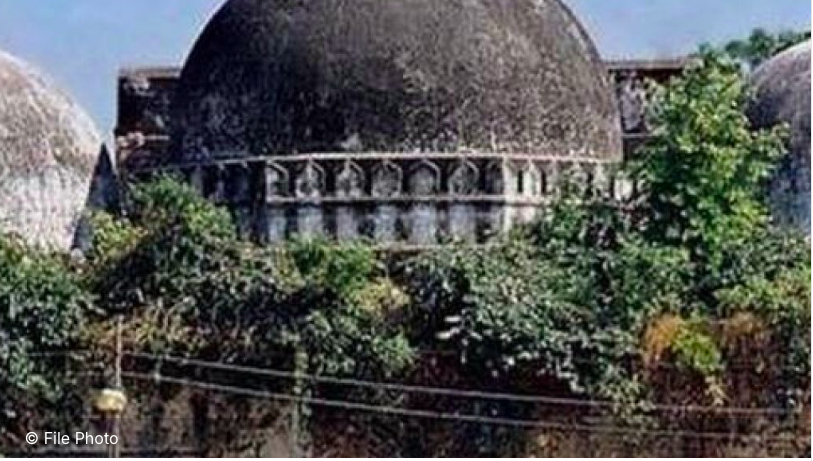
Muslim groups point out to the demolition of the Babri Masjid in Ayodhya in 1992 following a prolonged campaign by Hindu extremist groups. They also cited ongoing disputes involving the Gyanvapi Mosque in Varanasi, the Shahi Eidgah Mosque in Mathura and the Kamal Maula Mosque complex in Madhya Pradesh. After the demolition of the Babri Masjid by Hindutva mobs, the Indian Supreme Court eventually handed the mosque site to Hindu litigants in 2019.
Observers say such controversies have heightened fears among Muslims that centuries-old mosques across India could face similar challenges under the growing influence of Hindutva forces.