Geneva seminar highlights climate change, militarization impacts in IIOJK
Militarized Hindu yatra intensifying environmental stress in Kashmir: Speakers
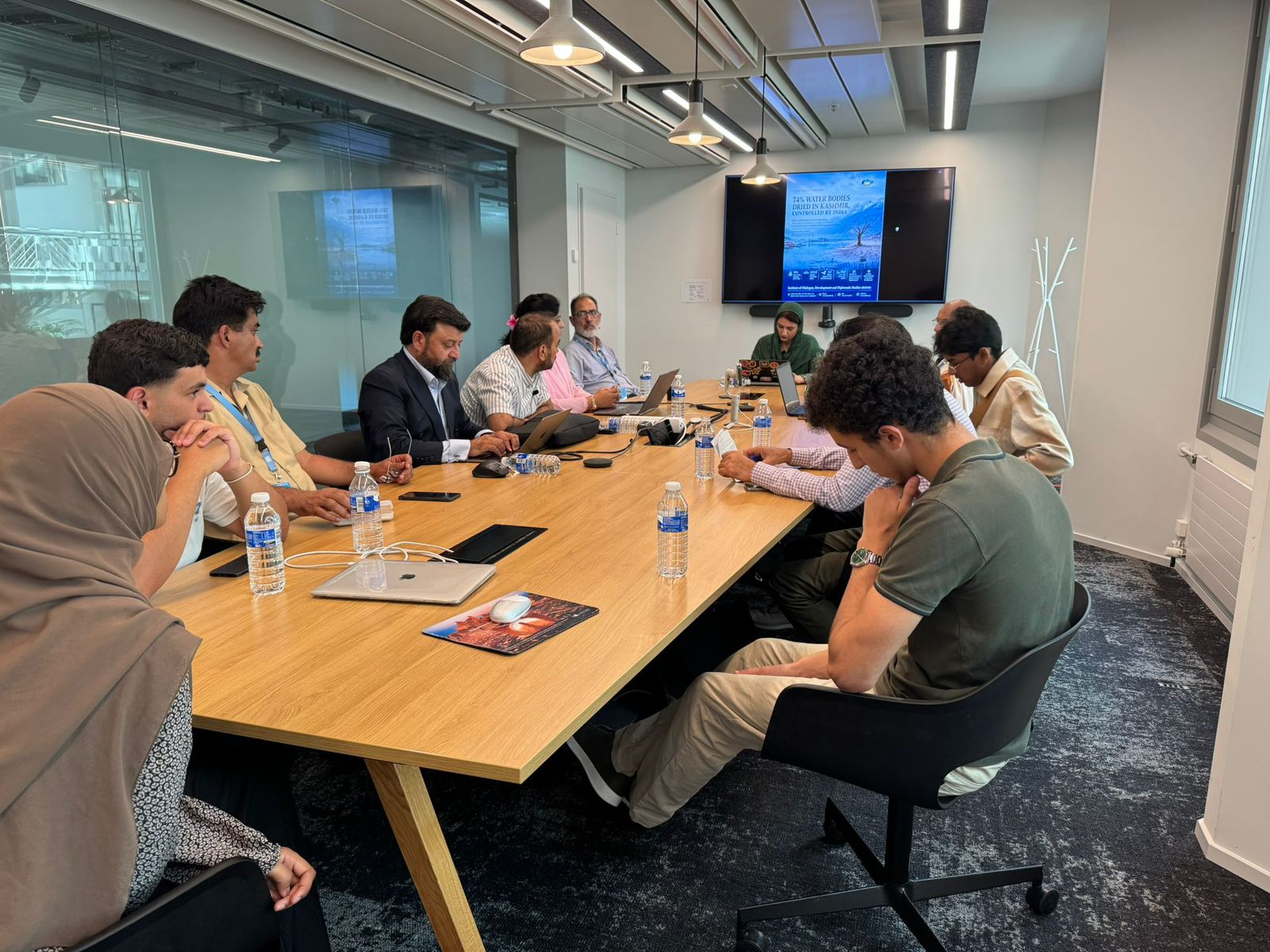 Geneva: Speakers at a seminar held on the sidelines of the 62nd session of the United Nations Human Rights Council in Geneva highlighted the adverse impact of climate change and militarisation in Indian illegally occupied Jammu and Kashmir (IIOJK), warning that environmental degradation and conflict-related policies are accelerating displacement and climate-induced migration in the territory.
According to Kashmir Media Service, the seminar, titled “Climate Migration Rights,” was organized by the Kashmir Institute of International Relations (KIIR) in collaboration with International Action for Sustainable Development. The event brought together civil society representatives, climate experts and migration rights activists to examine the intersection of climate change, forced migration and human rights.
The participants discussed the broader impact of climate change on migration patterns and the protection of migrants’ rights. They also focused on the specific effects of militarization-induced environmental disruption in IIOJK, noting that the prolonged military presence has contributed to deforestation, water stress and ecosystem degradation, resulting in the displacement of local communities.
A key session examined the environmental and social consequences of militarized Hindu pilgrimage, known as Amarnath Yatra, in the occupied territory. Speakers noted that such activities increase pressure on local resources, generate waste and restrict traditional livelihoods, thereby compounding existing vulnerabilities and accelerating climate-driven migration from Kashmir.


Addressing the seminar, a representative of KIIR said, “Climate change is not just an environmental crisis—it is a human rights crisis that disproportionately affects communities already living under occupation and militarization.” The speaker stressed that the rights of climate migrants from IIOJK must be recognized and protected at the international level.
The seminar concluded with calls for greater accountability, adoption of sustainable environmental policies in conflict-affected areas and the inclusion of Kashmir-specific climate migration concerns in international human rights mechanisms.
The seminar was moderated by Ms. Naila Altaf Kayani. The speakers included Dr. Waleed Rasool, Dr. Raja Muhammad Sajjad Khan, Mr. Talha Tufail Bhatti, Dr. Saira Farooq Shah, Ms. Mehr-un-Nisa Rehman.