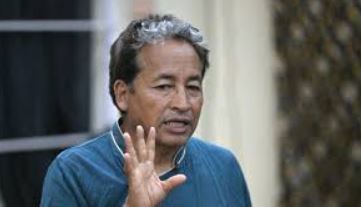
Sonam Wangchuk’s hunger strike for Ladakh statehood enters tenth day
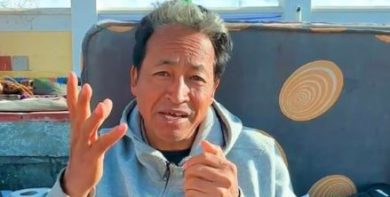 Ladakh: The hunger strike of innovator and environmentalist Sonam Wangchuk entered its tenth day, today, as the Leh Apex Body (LAB)—spearheading negotiations with the Indian Government for statehood and inclusion of Ladakh under the Sixth Schedule of the Constitution—underwent significant internal changes by removing political leaders from its fold.
According to Kashmir Media Service, Wangchuk began his hunger strike on September 10, demanding early resolution of key issues facing the people of Ladakh, including constitutional safeguards under the Sixth Schedule.
As part of the ongoing protest, 15 individuals, including Buddhist monks, are on a 35-day relay hunger strike alongside Wangchuk. On Wednesday, nearly 500 locals joined in solidarity with a one-day symbolic hunger strike.
In a video message during the strike, Wangchuk made a direct appeal to Indian Prime Minister Narendra Modi: “You might remember that five years ago, you promised the people of Ladakh that to protect our sensitive culture and fragile environment, the Sixth Schedule would be granted. We now hope you will also grant statehood to the region.”
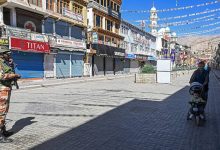
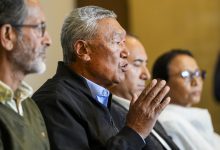
On the other hand, in a significant internal shake-up, the Leh Apex Body—a collective of civil society groups formed to lead negotiations with the Indian government—removed political leaders from its core decision-making body. The move follows growing concerns over the politicisation of the platform.
Among those reinstated is former Member of Parliament and influential Ladakhi leader Thupstan Chhewang, who had earlier resigned from the LAB in July, citing “partisan and individual agendas” within the group.
Several Leh Apex Body members, particularly youth leaders, had raised concerns about the direction of the movement and the dominance of political interests, leading to internal rifts in recent months.