APHC slams attachment, confiscation of properties in IIOJK

Srinagar: The All Parties Hurriyat Conference has strongly condemned the attachment and confiscation of properties belonging to Hurriyat leaders and activists, including jailed ex-Kashmir Bar president Mian Abdul Qayoom by Indian police under the highly communal and corrupt New Delhi-appointed Lieutenant Governor Manoj Sinha in occupied Jammu and Kashmir.
According to Kashmir Media Service, APHC spokesman Abdul Rashid Minhas, in a statement in Srinagar, described these actions as a deliberate tactic by the India’s BJP government to suppress pro-freedom voices, enforce demographic change, and stifle the ongoing movement for self-determination in the territory.
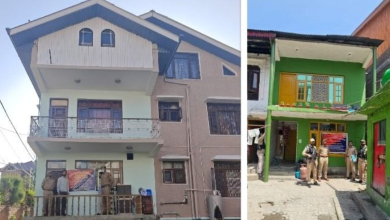
The statement said properties of several prominent leaders, including Syed Ali Gilani, Shabbir Ahmed Shah, Aasiya Andrabi, Muhammad Farooq Rehmani, and other Hurriyat and Jamaat-e-Islami activists, have been targeted. The APHC headquarters in Srinagar and the head office of Tehreek-e-Hurriyat have also been sealed.

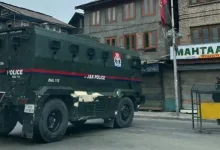
The APHC noted that these actions are typically carried out by Indian authorities, including the National Investigation Agency and State Investigation Agency , under the draconian Unlawful Activities (Prevention) Act (UAPA). The APHC termed these confiscations part of India’s “settler colonialism” policy aimed at intimidating the local population and altering the demographics of the territory.
The APHC has repeatedly urged the United Nations and international human rights organizations to intervene and take notice of these violations and brutal tactics.
The statement also demanded the release of all illegally detained Hurriyat leaders and activists, including APHC chairman Masarrat Aalam Butt, Muhammad Yasin Malik, Shabbir Ahmad Shah, Nayeem Ahmed Khan, Aasiya Andrabi, Maulvi Bashir Ahmed, Bilal Siddiqi, Mushtaqul Islam, and others languishing in different jails across IIOJK and India.
The statement described the prevailing situation in IIOJK—including cordon and search operations, house raids, and arbitrary detentions—as a nuclear flashpoint in South Asia.
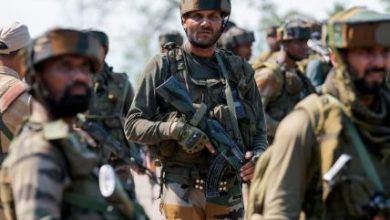
The APHC warned that the unresolved Kashmir dispute could ignite a regional crisis, noting that the territory remains the most militarized zone in the world, with over one million Indian troops deployed across cities, towns, and villages to suppress the Kashmiris’ demand for freedom.