Concerns raised over flawed and biased land allotment policy in IIOJK
In absence of right policies, local stakeholders may be further marginalized
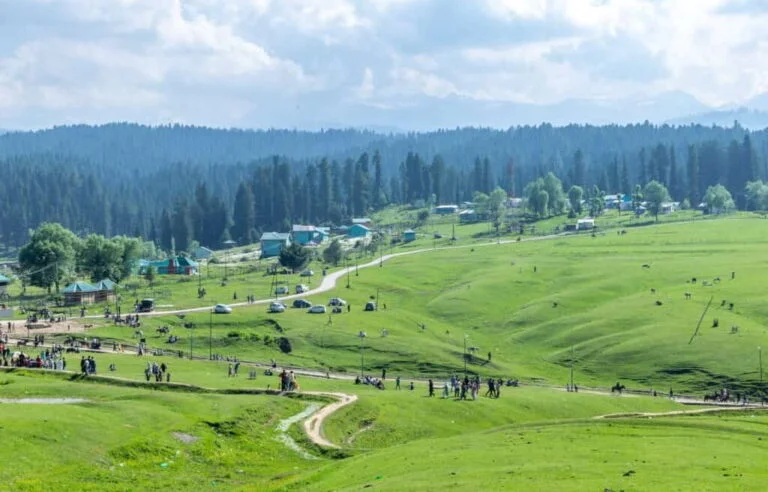
Srinagar: In Indian illegally occupied Jammu and Kashmir, serious concerns have been raised over the transparency and fairness of the industrial land allotment policy, with stakeholders terming the process structurally flawed and biased against genuine local entrepreneurs.
According to Kashmir Media Service, the Directorate of Industries and Commerce issued a provisional merit list on April 9, 2026, inviting objections until April 19. However, stakeholders say the policy’s scoring mechanism—allocating 80 percent weightage to projected investment and employment per kanal—has encouraged unrealistic claims and manipulation.
Reports indicate that several applicants have inflated employment figures, with some claiming over 100 jobs per kanal on small land parcels, raising serious doubts about feasibility and credibility. Observers note that the policy appears to reward exaggerated declarations rather than practical and sustainable business plans, putting genuine entrepreneurs at a disadvantage.

The uniform application of criteria across diverse sectors has further distorted the process, disproportionately favouring smaller land applicants over larger, capital-intensive projects. Experts warn that such an approach undermines balanced industrial development and could lead to inefficient use of scarce land resources in the territory.
Analysts say the absence of robust verification mechanisms and post-allotment accountability reflects poor governance and lack of institutional oversight. They stress the need for independent technical evaluation, sector-specific benchmarks, and phased verification to ensure transparency and fairness.
The concerns also extend to the broader industrial policy framework under the Modi-led administration, particularly in sector-specific estates such as healthcare, where unplanned concentration risks creating unequal access and unhealthy competition.
Experts believe that unless corrective measures are taken, such policies may further marginalize local stakeholders and deepen economic disparities in the territory, raising questions about the intent and effectiveness of development initiatives in IIOJK.