Pakistan rejects India’s ‘irresponsible’ UN remarks on mineral wealth, urges implementation of Kashmir resolutions
FO says New Delhi is diverting attention from its violations of international law and unilateral move on IWT
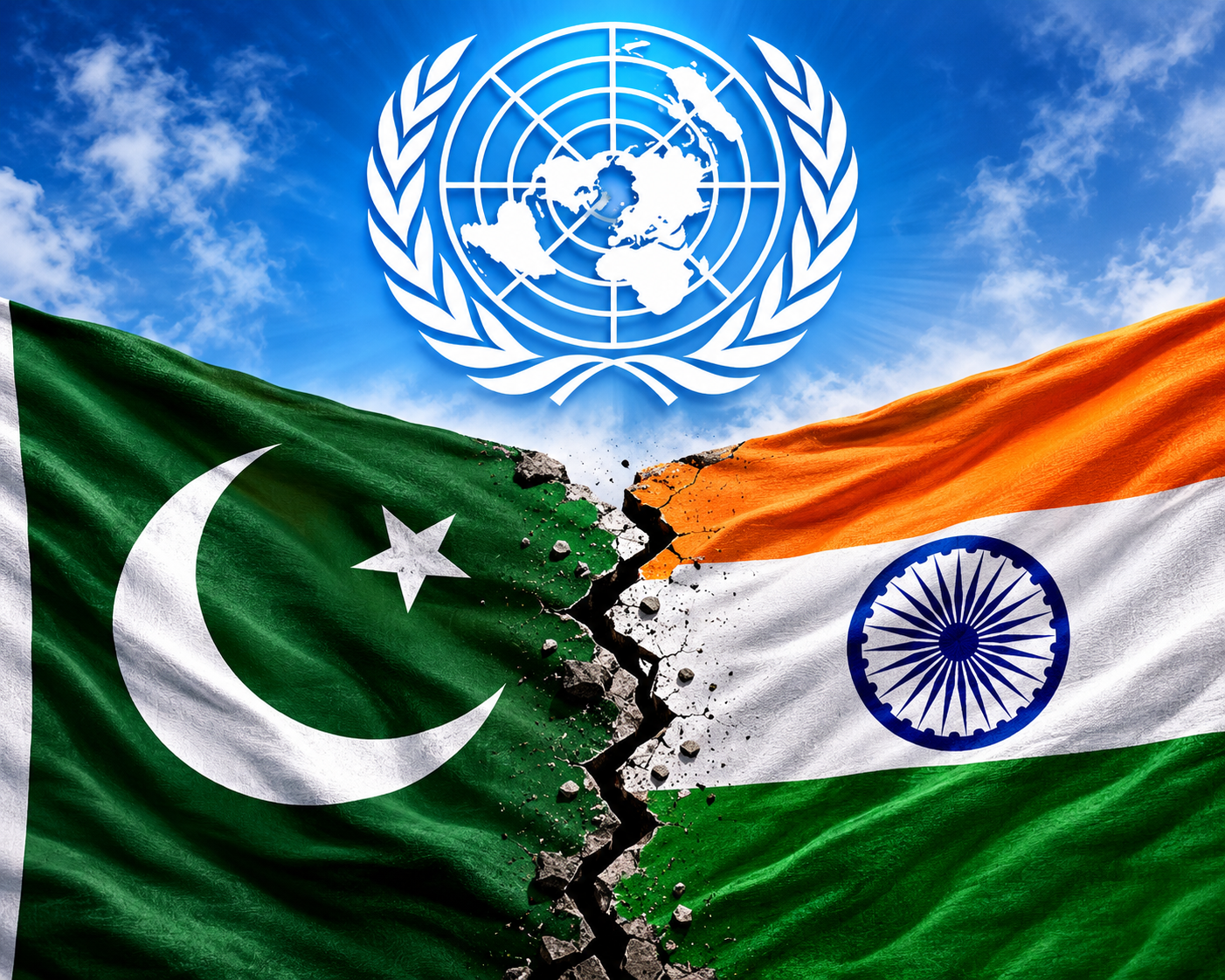
Islamabad Pakistan has strongly rejected India’s “undiplomatic and irresponsible” remarks at the United Nations regarding its mineral wealth, urging New Delhi instead to honour its international obligations, including the UN Security Council resolutions on Jammu and Kashmir, where Indian forces continue to commit grave human rights violations.
According to Kashmir Media Service, Pakistan’s Foreign Office (FO) spokesperson made the remarks during his weekly press briefing on Friday, responding to comments by India’s Permanent Representative to the UN, Ambassador Parvathaneni Harish, at a UN Security Council Arria-formula meeting on natural resources and conflict on Thursday.
Indian news agency ANI reported that Harish had directly accused the Pakistan military of exploiting the country’s natural resources for personal gain.


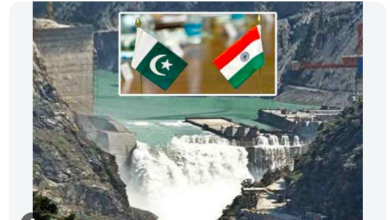
The Indian remarks came after Pakistan raised the issue of the Indus Waters Treaty (IWT) at the meeting. India had placed the treaty in abeyance following the attack in Pahalgam in Indian illegally occupied Jammu and Kashmir (IIOJK).
Responding to Harish during the meeting, Pakistan’s First Secretary Ansar Shah dismissed his comments as “frivolous and highly inappropriate”.
On Friday, the FO spokesperson also rejected the Indian remarks, describing them as “undiplomatic and irresponsible”. He said the baseless accusations had already been effectively rebutted by Pakistan’s representative at the meeting and constituted “an unacceptable interference in Pakistan’s internal affairs”, contrary to the UN Charter.
In a detailed statement issued shortly afterwards, the Foreign Office said India’s remarks were typical of its hostile approach and deserved to be dismissed.
“Instead of addressing Pakistan’s legitimate concerns with respect to India’s hydro-terrorism, India has resorted to unsubstantiated insinuations about Pakistan’s institutions and leadership,” the statement said.
The FO said India’s hostility towards Pakistan’s development of its mineral resources was evident in its persistent attempts to undermine the country’s stability.
It said Pakistan had repeatedly raised concerns, backed by evidence, about India’s alleged sponsorship and support for terrorist activities in Balochistan and Khyber Pakhtunkhwa, aimed at disrupting development and depriving local populations of the benefits of their natural resources.
The statement also criticised India’s growing Hindutva-driven extremism and religious fundamentalism. “India’s continuing descent into a Hindutva-inspired extremism-fascist polity, led by a religious fundamentalist regime is well known,” it said.
It said India’s accusations and distortion of facts were intended to divert attention from its domestic situation and its unilateral move to hold the IWT in abeyance.
The Foreign Office noted that in August, the Court of Arbitration had ruled that the treaty remained binding and fully in force, with no legal basis for its unilateral suspension or termination. India’s refusal to accept the ruling, it said, raised serious questions about New Delhi’s commitment to international law and treaty obligations.
“Instead of misusing the platform of the UN for peddling lies, India will be well advised to implement its obligations under the UNSC resolutions on Jammu and Kashmir, where Indian occupation forces continue to perpetrate gross violations of human rights for decades,” it said.
“A state that is a serial violator of UN Charter, UNSC resolutions, sovereignty of neighbouring states, and binding treaty obligations, that patronises systematic discrimination against its Muslim, Sikh, Christian, and Dalit minorities, engages in disinformation and terrorism as instruments of state policy and remains in forcible occupation of a territory whose people it denies the internationally guaranteed right to self-determination, has no standing whatsoever,” the FO remarked.
“Instead of pointing fingers, India should introspect and change its behaviour,” it concluded.