
As the world nears International Human Rights Day on December 10th, it is vital to highlight one of the most severe and ongoing human rights crises of our time: the systematic dismantling of human rights in Indian illegally occupied Kashmir. For decades, the IIoJK has been embroiled in conflict, but recent years have seen a disturbing increase in state-sponsored violations that threaten basic freedoms, dignity, and security for millions of Kashmiris. This situation is maintained by a combination of militarization, digital repression, information control, and constitutional measures that together weaken the core of human rights and democratic expression.
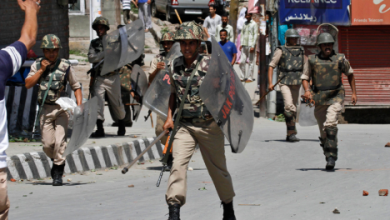
At the core of this ongoing crisis is the overwhelming presence of military forces in Kashmir. Indian occupation forces have deployed hundreds of thousands of troops in the region, creating a widespread and heavily militarized environment similar to an occupation. These military personnel are tools of severe repression. Reports from human rights organizations detail routine incidents of arbitrary detention, enforced disappearances, torture, and custodial killings. Villages often experience excessive use of force, including pellet guns that have blinded many young protesters, and collective punishment measures that impact entire communities for the actions of a few. Checkpoints, curfews, and identity checks foster an atmosphere of fear and constant surveillance that disrupts daily life and fosters a culture of silence and submission.
Digital surveillance has become another covert tool of state control in IIoJK. After the abrogation of Article 370 in August 2019, which removed Jammu and Kashmir’s special autonomous status and brought it directly under Indian federal control, digital freedoms have been severely limited. The Indian government often imposes extended internet shutdowns, restricting communication within Kashmir and with the outside world. These shutdowns hinder social and economic activities and block the vital flow of information and documentation of abuses. Furthermore, the use of advanced technologies to monitor phone calls, social media, and private communications bolsters an invasive surveillance system that chills free expression and dissent.
This digital crackdown supports on-the-ground militarization by silencing voices that try to document the truth and advocate for human rights. Worsening physical and digital oppression is the systematic silencing of Kashmiri media. Journalists face harassment, raids, and arrests, making independent reporting dangerous. Several prominent Kashmiri media outlets have been shut down or censored, with reporters often subjected to intimidation tactics or criminal prosecutions under restrictive laws. This environment suppresses investigative journalism and dissenting opinions, turning the public narrative into one controlled by the government that downplays abuses and justifies security crackdowns. The lack of reliable, independent information from the ground distorts both national and international understanding of Kashmir’s situation, enabling state policies that violate human rights to continue largely unchallenged.
Furthermore, the constitutional changes implemented by the Indian government have expanded legal and political avenues for repression. The removal of Article 370 diminished Kashmir’s autonomy, weakening its special relationship with the Indian Union and allowing extensive legislative changes that marginalize Kashmiris politically and economically. New laws and amendments have increased powers to detain individuals without due process and reduced protections against arbitrary arrests. This legal structure promotes a culture of impunity for Indian forces’ personnel accused of abuses, as laws like the Armed Forces Special Powers Act (AFSPA) provide broad immunity to military forces. This legal protection essentially denies Kashmiris justice and redress for rights violations, deepening systemic discrimination and fostering a strong sense of disenfranchisement. Collectively, these factors depict a bleak outlook for human rights in IIoJK. The multifaceted approach including military control, digital repression, media censorship, and constitutional manipulation, serves to dismantle the core of human dignity and freedoms for the Kashmiri people. The impact is not only political but deeply human: families torn apart by loss, communities living in constant fear, and a generation silenced and isolated. This crisis calls for urgent action from the international community, human rights organizations, and democratic governments around the world to hold those responsible accountable and to restore basic rights to the people of Kashmir.
Recognizing and shedding light on these abuses on International Human Rights Day is crucial because it reminds us that human rights are universal and indivisible, crossing borders and disregarding political agendas. The Kashmir conflict, often viewed narrowly through the lens of security and sovereignty, must be fundamentally understood as a human rights issue. Every person in occupied Jammu and Kashmir deserves the right to life, liberty, freedom of expression, and peaceful protest without fear of military violence or retaliation. Addressing these violations requires a firm dedication to justice, transparency, and adherence to international human rights standards by the Indian government.
The plight of Kashmiris under Indian occupation represents one of the most serious challenges to human rights today. As the world commemorates the ideals of dignity, freedom, and equality this December 10th, it is essential to give voice to those silenced by repression. Only through sustained awareness, advocacy, and accountability can the systematic erosion of rights in Kashmir be halted and reversed, allowing for a future where peace and justice prevail for all Kashmiris.
Writer Nida Awais is student of Peace and Conflict Studies at National Defence University and intern at Kashmir Institute of International Relations.