Kashmir — A Valley Where Silence Becomes Complicity and Every Breath Is a Cry for Justice
Mushtaq Hussain
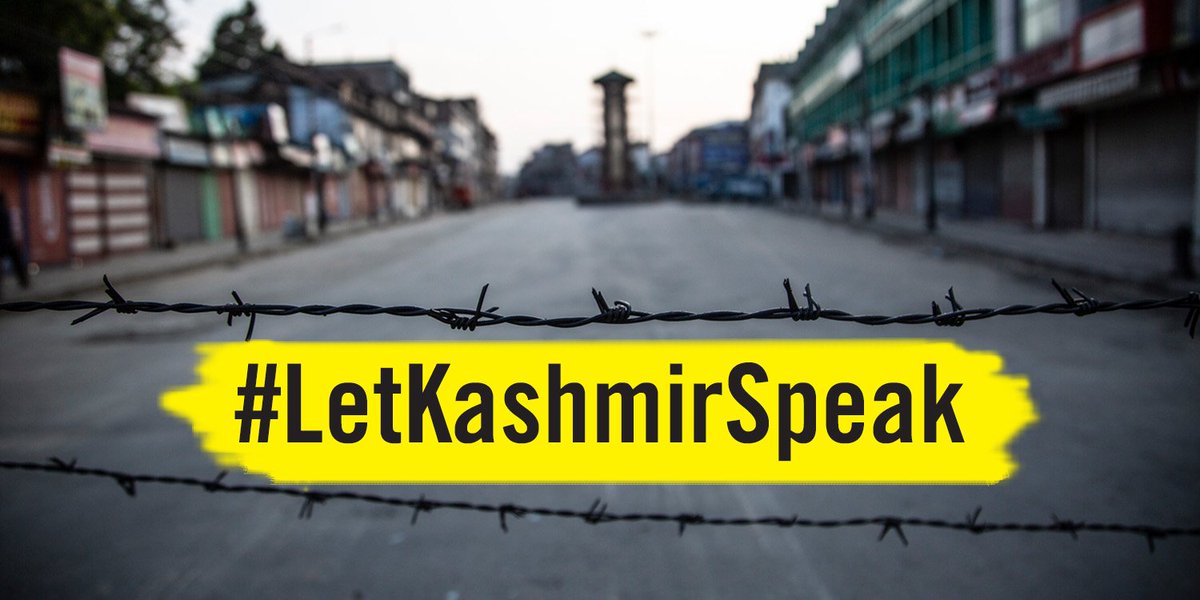 Kashmir is not merely a valley—it is a wound carved into the conscience of humanity. It is a place where the soil tastes of blood, where the wind carries the broken prayers of mothers, and where the mountains stand as mute witnesses to a cruelty so sustained, so engineered by India, that history will struggle to describe it without trembling.
To speak of human rights while avoiding the horror India continues to unleash in Kashmir is not diplomacy—it is moral cowardice, a betrayal of every value humanity claims to cherish.
For decades, the Kashmir valley has been forced to inhale violence. Nearly one hundred thousand lives have been erased—lives taken by India’s ruthless architecture of oppression. Among them were 2,342 women, whose blood tells stories too dark for ordinary language. And the brutality did not end there—11,225 women were subjected to rape, not as isolated crimes but as weapons systematically wielded by Indian forces to control, humiliate, and terrorize. These are not statistics; these are earthquakes of pain that should have shattered the world’s indifference.
The homes of Kashmir echo with grief. Twenty-three thousand women have been widowed, carrying the shattered remains of lives once whole—widows created by India’s militarized violence. Fear has seeped so deeply into the valley’s bones that over one hundred thousand women now suffer severe psychological trauma, their spirits smothered under decades of Indian brutality.

The cruelty is relentless. More than 162,000 arbitrary arrests have ripped families apart—India’s forces dragging fathers away, sons disappearing into the darkness, and mothers suspended in a perpetual state of waiting. Hope in Kashmir does not die all at once—it starves slowly.
And then, the pellets. A weapon deployed by Indian forces not to kill but to blind, ensuring that the victim must live with darkness as a lifelong sentence. Over 25,000 people—many of them children—were robbed of their sight. Their world turned black before they even learned to read the color of their own future. No moral vocabulary is sufficient to justify this.
Layer upon layer of suffocation follows—India’s assault on cultural identity, its demographic engineering, its silencing of journalists, its criminalization of truth, its militarized surveillance, and its constant, violent intrusion into private life. Kashmir is a place where even breathing feels like defiance under India’s occupation.
Yet despite all this, the world chooses the safety of silence. Nations that boast of their commitment to justice retreat behind strategic partnerships and geopolitical calculations with India. They issue soft, diplomatic statements—words so empty they dissolve before reaching the mountains that truly need to hear them.
This silence is not neutrality.
This silence is participation.
This silence is a stain on global morality.
What is required is not sympathy but action—real accountability, real consequences, real pressure on India, the state that orchestrates this cruelty. Justice cannot remain an abstract conversation in conference halls while an entire population is crushed under the weight of Indian impunity.
Kashmir is not asking for charity.
Kashmir is demanding humanity.
Today, the valley stands as the most unforgiving test of our global conscience. Each wound in the Valley has become a declaration. Each blinded child, each grieving mother, each disappeared son—together they form a chorus the world pretends not to hear.
But the cry remains, echoing through the mountains, cutting through the silence, refusing to be buried:
“Justice—unconditional, unfiltered, and overdue.”