Student protests in India now treated more as security threats, political conflicts
New Delhi: The growing clash between student activists at Jawaharlal Nehru University (JNU) and the Bharatiya Janata Party (BJP)-backed university authorities shows that student protests in India are now treated more as security threats and political conflicts, rather than as a normal part of democracy.
According to Kashmir Media Service, in the saffron stronghold of Indian politics, the BJP enforces a singular creed: Hindutva reigns supreme, tolerating no rivals. This unyielding dogma, rooted in RSS ideology, frames dissent as existential threat, as seen in relentless JNU crackdowns.
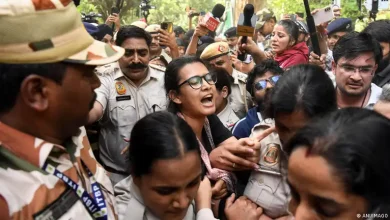
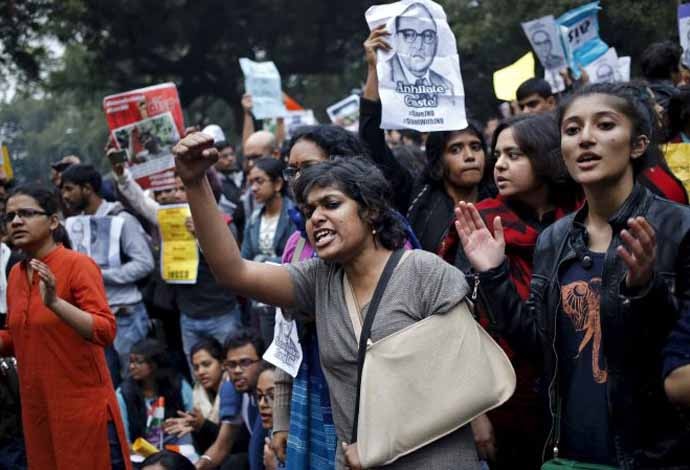
In October 2025, the JNU students marched against fee hikes and administrative overreach, clashing with Delhi Police. Six Jawaharlal Nehru University Students Union leaders faced charges, 28 detained under riot laws echoing 2016 sedition rows and 2020 CAA fury. BJP-aligned voices branded protesters “urban Naxals,” anti-India agitators, demanding probes into “foreign-funded” chaos. Slogans against Modi-Shah at JNU drew swift BJP ire: “Communist forces undermining Bharat,” roared leaders, mirroring Amit Shah’s past dismissals of Left-liberalism as treason.


This friction reveals campuses as securitized battlegrounds, not democratic arenas. National Crime Record Bureau (NCRB) trends (2023 data, critiqued 2025) show sedition/UAPA cases spiking despite official downplays; Free Speech Collective logged 14,875 violations in 2025 alone, with 16 academic suppressions. Protests over harassment, policies—10 major flare-ups—face batons, not dialogue, polarizing youth into “nationalist” vs. “anti-national” binaries.
Hindutva’s monopoly stifles pluralism, turning student voices into securitized suspects. Yet, graffiti persists: “Ideas outlive batons.” The BJP’s fortress crumbles under its own weight.