Article questions India’s defence planning after 114 Rafales deal
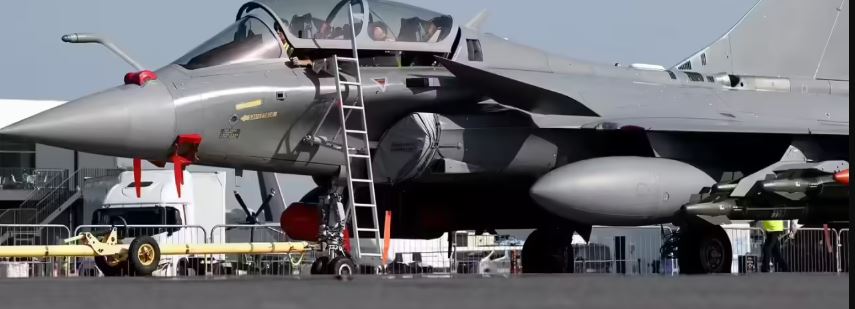
New Delhi: The Indian government’s approval to induct 114 French Dassault Rafale fighter jets has raised serious questions about New Delhi’s defence planning, procurement priorities and political decision-making, an article by defence analyst Rahul Bedi has said.
According to Kashmir Media Service, the article titled “Why the Govt’s Approval for 114 French Dassault Rafales Raises Questions”, published in The Wire.in on January 17, 2026, argues that the Ministry of Defence’s clearance of the aircraft under the Multi-Role Fighter Aircraft (MRFA) programme is not a break from past policy, but a revival of the scrapped 2007 Medium Multi-Role Combat Aircraft (MMRCA) deal—at a far higher cost and after years of damaging delays.
The article notes that what has been approved is essentially a repackaged version of the original MMRCA programme, which envisaged 126 aircraft and was abandoned by the BJP-led government in 2014. While the number of jets has now been reduced to 114, the projected cost has ballooned to an estimated USD 30–35 billion—nearly three times the original estimate—highlighting what the author describes as political expediency overriding strategic prudence.

Rahul Bedi writes that repeated procedural churn and political self-congratulation have left the Indian Air Force (IAF) paying more, waiting longer, and operating with fighter squadron strength far below sanctioned levels.
The article criticises the BJP government for scrapping the MMRCA deal primarily to signal a political break with the previous administration, rather than for operational or strategic reasons. It argues that had the original programme continued, the IAF would by now be inducting licence-produced Rafales at lower cost, with technology transfer and improved industrial capacity.
Highlighting delays and capacity constraints, the article warns that Dassault’s existing global order book could further slow deliveries to India, undermining the MRFA’s stated aim of rapidly restoring the IAF’s depleted combat strength. It also raises concerns about the uncertain choice of a domestic production partner and the likelihood of further bureaucratic and political delays.
Concluding, the article says the MRFA programme does not represent innovation or reform, but a belated and costlier attempt to recreate a plan that was abandoned for political reasons. It describes the Rafale decision as a textbook case of political pride over long-term defence planning, with Indian taxpayers ultimately bearing the financial burden.