“Kashmir will not be silenced”: Experts urge global Action, diaspora lobbying ahead of Solidarity Day
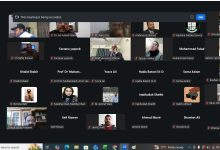
Islamabad: A webinar hosted by the Kashmir Media Service brought together Pakistani journalists, legal experts, academics, diaspora activists and Kashmiri political representatives to mark the eve of Kashmir Solidarity Day, which is observed annually on February 5.
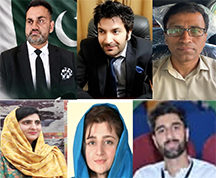
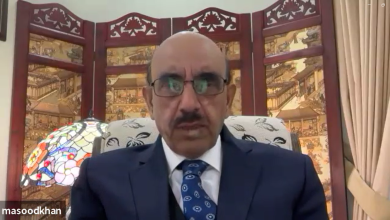
The session, moderated by PTV anchor Yasir Rehman, featured speakers who reiterated Pakistan’s longstanding position on the Kashmir dispute, condemned alleged human rights violations in Indian-illegally occupied Jammu and Kashmir, and called for sustained international advocacy and strategic narrative-building.
Dr. Walid Rasool, an expert on Kashmir affairs, advocated multi-level engagement from community initiatives to international forums including the United Nations and the Organisation of Islamic Cooperation. He emphasised involving youth through universities, research and social media to develop resistance literature and promote Pakistan’s human rights perspective.
Sheikh Abdul Mateen, representing the All Parties Hurriyat Conference, thanked Pakistan for its consistent political, moral and diplomatic support.
Barrister Sundas Malik, a legal expert, highlighted the gap between legal theory and practical constraints. She said Pakistan continues to pursue relevant United Nations Security Council and UNCIP resolutions but faces restrictions in accessing forums such as the International Court of Justice or International Criminal Court.
Diaspora activist Zubair Hussain, based in Europe, said the proposed EU-India free trade agreement remains premature and requires approval from all 27 member states. He reported that Kashmiri and Pakistani diaspora groups are forming committees to lobby the European Parliament and national legislatures.
Journalist Warda Zainab of the Times of Central Asia explained that Kashmir forms an integral part of Pakistan’s two-nation theory as a Muslim-majority area left as a “missing piece” at partition. She identified converging factors including demographics, geography, water security from rivers originating in the region, religion, human rights and strategic interests.
Academic Dr. Sundus Mustaqeem pointed to a significant awareness gap among younger generations in Pakistan. She recommended using films, articles, research papers and social media platforms to counter Indian narratives that portray the region as a normal or non-conflict zone.
Other participants included media professional Ishtiaq Hamdani, who called for mainstream media to treat Kashmir as a national priority, and journalist M Haroon Abbas.
The webinar took place ahead of nationwide observances on February 5, during which Pakistan’s Foreign Ministry, political parties and civil society organisations traditionally reiterate demands for implementation of United Nations resolutions calling for a plebiscite in Jammu and Kashmir.