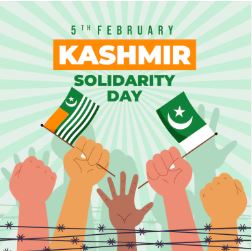
 Kashmir Solidarity Day, observed annually on 5 February, represents Pakistan’s enduring moral, political and diplomatic support for the people of Indian illegally occupied Jammu and Kashmir. More than a symbolic observance, the day serves as a collective expression of unity with Kashmiris and a solemn tribute to those who have lost their lives amid decades of conflict. It reinforces the principle that the Kashmir issue remains an unresolved international dispute with significant human rights, legal and humanitarian dimensions.
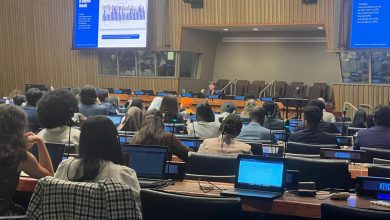
This day encourages reflection not only on the historical roots of the conflict but also on the ongoing human cost borne by ordinary civilians. Across Pakistan and Azad Jammu and Kashmir, seminars, public gatherings, media programs and solidarity rallies are organized to emphasize that the aspirations of the Kashmiri people for dignity, security and self-determination remain central to regional peace. Kashmir Solidarity Day therefore functions as both remembrance and advocacy, remembrance of sacrifice and advocacy for justice.
Kashmir’s history is rich, layered and culturally diverse. For centuries, the region stood as a meeting point of civilizations, religions and artistic traditions. Buddhism, Hinduism, Christianity and Islam all contributed to shaping Kashmir’s unique civilizational identity, often described as a culture rooted in spiritual depth, coexistence and intellectual vibrancy. The spread of Islam from the 13th century onward further influenced social structures, literature, architecture and philosophy, embedding a distinct cultural ethos that valued harmony and mutual respect. However, geopolitical rivalries and political upheavals gradually destabilized this historical equilibrium.

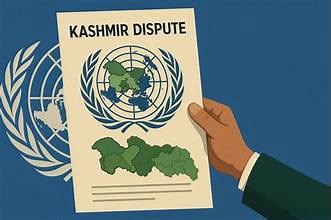
The modern dispute emerged in the aftermath of the 1947 Partition of the subcontinent, when Jammu and Kashmir’s political future became contested between India and Pakistan. Unlike many other princely states, the region’s accession became the subject of international deliberation. The United Nations Security Council subsequently adopted resolutions calling for a ceasefire and a free and impartial plebiscite under UN supervision to allow the people of Jammu and Kashmir to determine their political future. These resolutions established the principle that the dispute’s resolution should be based on the will of the people.
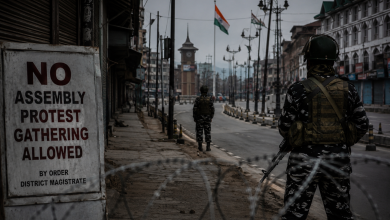
Despite these commitments, the issue remains unresolved and the region has experienced prolonged instability. Occupied Jammu and Kashmir has drawn sustained international attention due to human rights concerns, including restrictions on civil liberties, limitations on freedom of expression, communication blockades, arbitrary detentions and the extensive presence of security forces. Human rights organizations and observers have highlighted the profound psychological, economic and social consequences of these conditions on civilian life. Such realities reinforce the urgency of a just and peaceful resolution grounded in international law and human rights standards.
The revocation of IIOJK’s special constitutional status in August 2019 intensified global concern and further complicated the political landscape. Many analysts viewed this development as altering the demographic, legal and political structure of the region, thereby deepening anxieties among the local population. These changes underscore the fragile nature of peace in South Asia and the risks posed by prolonged political uncertainty between two nuclear-armed neighbors.
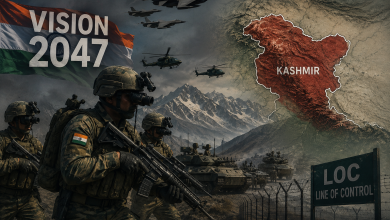
Kashmir Solidarity Day also underscores the broader implications of the dispute for regional stability and development. Persistent tensions divert attention and resources away from pressing social priorities such as education, healthcare, poverty reduction and economic cooperation. Sustainable peace in South Asia requires not only conflict management but conflict resolution, achieved through dialogue, confidence-building measures and respect for international obligations.
Pakistan’s position has consistently emphasized that the Kashmir issue is not merely territorial but fundamentally linked to the principle of self-determination, a right enshrined in international law. From Pakistan’s perspective, solidarity with Kashmiris reflects an ethical commitment to justice, human dignity and peaceful dispute settlement. Public observance of this day symbolizes a national consensus that the aspirations of the Kashmiri people must remain visible in international discourse.
In conclusion, Kashmir Solidarity Day is a reminder that unresolved conflicts carry enduring human consequences. Lasting peace demands sincere diplomatic engagement, adherence to international norms and a genuine effort to address the political and humanitarian concerns of the people most affected. Only through fairness, dialogue and respect for human rights can the region move toward stability, reconciliation and a future defined not by conflict, but by dignity and coexistence.
Ziaullah Zahir is a Bs student of international relations in International Islamic university Islamabad.Its email I’d is ziaullah0664@gmail.com