India ranks fourth in religious diversity among most populous nations: Study
Experts warn Hindutva policies risk deepening divides, fragmentation
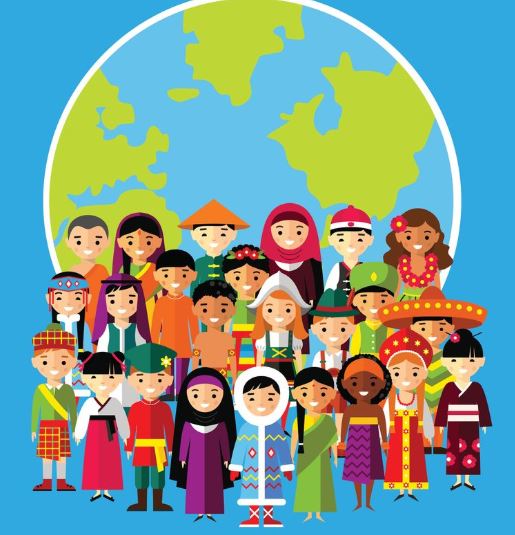
New Delhi: A global study by the Pew Research Centre has ranked India fourth in religious diversity among the world’s ten most populous countries, highlighting the country’s complex multi-faith demographic composition.
According to Kashmir Media Service, the report, which analyzed religious affiliation across 201 countries and territories, places India behind the United States, Nigeria, and Russia in terms of diversity, while ranking it ahead of Brazil and Pakistan. Among the ten most populous nations, Pakistan was identified as the least religiously diverse, with Muslims constituting around 97 percent of its population.
The study underscores India’s demographic structure as home to multiple religious communities, including Hindus, Muslims, Christians, Sikhs, Buddhists, Jains and others. Nearly 95 percent of the world’s Hindu population resides in India, making it central to global religious diversity patterns. The Asia-Pacific region emerged as the most religiously diverse globally, while the Middle East and North Africa region was identified as the least diverse. Singapore topped the global index of religious diversity, followed by Suriname.


While the findings reflect the pluralistic composition of Indian society, political analysts and field experts caution that diversity alone does not guarantee harmony. They note that in the prevailing political climate, marked by the rise of Hindutva ideology and increasing marginalization of minorities, the country’s rich diversity faces serious strain.
Experts argue that although religious diversity is inherently a strength, in a polarized environment where communal forces are accused of targeting minorities through legislative, social and political means, the risk of fragmentation increases. They warn that sustained discrimination, hate campaigns and erosion of minority rights could deepen social fault lines and threaten national cohesion.
Observers stress that without genuine inclusivity, constitutional safeguards and equal protection for all communities, India’s celebrated diversity may turn into a source of instability rather than unity.