Some wounds in history do not fade—they grow deeper with each passing year. Kashmir is one such wound, a conflict that has shaped the lives of its people for over seven decades and stands as a persistent moral question before the world. This is not merely a territorial dispute; it is a test of promises, principles, human dignity, and international responsibility. Since 1947, Kashmir has been at the center of a political and humanitarian crisis, rooted in commitments made through United Nations resolutions—commitments affirming that the people of Kashmir have the right to determine their own future. Yet, over the decades, this promise has faded into the fog of global politics, leaving generations of Kashmiris trapped in a long and exhausting wait.
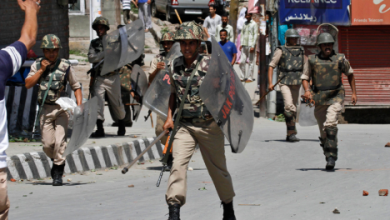
For decades, India has maintained control over Kashmir while presenting it as a constitutional and political relationship. Article 370 was portrayed as a symbol of this bond, suggesting to the world that Kashmir enjoyed special status, that its identity was protected, and that the relationship was based on mutual understanding. However, the sudden revocation of this provision in 2019 fundamentally altered that narrative. The killing of innocent Kashmiris in staged encounters, the arrests of political leaders, restrictions on freedom of expression, and sweeping legal changes raised profound questions about whether this relationship was ever based on genuine consent, or if it was always a temporary arrangement masking long-term political objectives.
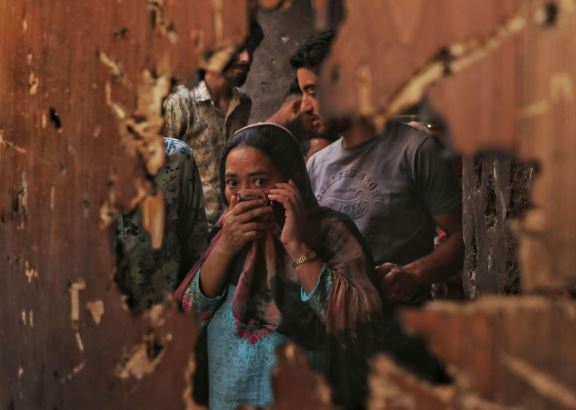
Kashmir’s history is marked by painful episodes that have permanently shaped the collective memory of its people. The tragedies in Gawkadal, Sopore, Bijbehara, and Handwara are not just historical references—they are the lived reality of families who lost loved ones. These events created an enduring climate of fear and uncertainty. Over time, they intensified the question: did the world ever truly acknowledge these lives, and did their voices ever reach the global conscience?
Similarly, the tragedies of Kunan, Poshpora, and Shopian profoundly impacted the dignity, safety, and justice for Kashmiri women. Decades have passed, yet justice remains unfulfilled. These events inflicted personal trauma and deep societal wounds, reinforcing the perception that the suffering of this region receives less attention and urgency than tragedies elsewhere. That perception has become a burden passed silently through generations.
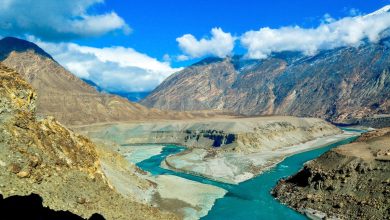
The evolving realities in Kashmir extend beyond politics and security. Transformations in land ownership, resources, and economic structures have created deep anxiety. The acquisition of agricultural land and orchards, the expansion of military installations, large-scale infrastructure projects, and investment in tourism are presented as development, yet the majority here fears these changes may undermine their economic autonomy and cultural identity. Observing their land gradually change, the people of Kashmir face not merely economic but existential challenges.
Additionally, Kashmiris traveling to different parts of India for education and employment often face discrimination, harassment, and sometimes violence. These experiences deepen vulnerability and isolation. Identity itself becomes a source of anxiety, and the question of belonging takes on a painful human dimension beyond politics.
Perhaps the most troubling aspect of this narrative is the silence of the world. United Nations Security Council resolutions still exist, clearly affirming that the people of Kashmir have the right to decide their own future. These were not casual statements—they were commitments grounded in international law and global responsibility. Yet decades have passed without meaningful implementation, leaving a profound moral question unanswered.
Powerful nations speak often of democracy, human rights, and justice. They raise voices against violations elsewhere, impose sanctions, and exert diplomatic pressure. But when it comes to Kashmir, language becomes cautious, tone softens, and priorities shift. This contradiction leaves a deep impact on Kashmiris, compelling them to ask: is the value of human rights determined by geography? Are global principles applied selectively?
At times, it seems the international community has quietly accepted this conflict as frozen—a situation to manage rather than resolve. But no conflict can remain frozen without consequences. Each year introduces a new generation to the same unresolved reality, perpetuating the same question: will their voices ever be heard?
This silence is not merely diplomatic; it is moral. If global institutions and powerful nations cannot uphold the principles they themselves endorse, what remains of those principles? When resolutions remain unimplemented for decades, do they not risk becoming historical documents rather than instruments of justice? Kashmir stands as a stark reminder of this contradiction.
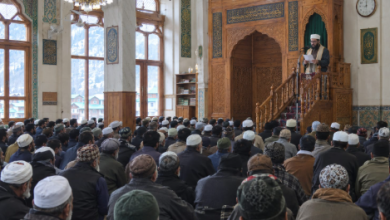
Yet, the resilience of the Kashmiri people remains undeniable. For decades, they have endured a quiet struggle marked by both hope and helplessness. This silence is not weakness; it is endurance. It is the long wait for a day when decisions about their future will be made with their consent. When their identity, their land, and their voice will finally be recognized and respected.
The story of Kashmir is a mirror held up to the global conscience. It tests whether the world truly believes in justice, human dignity, and self-determination—or whether these principles are applied selectively. When a conflict remains unresolved for generations, when promises remain unfulfilled, and when suffering continues without intervention, the issue transcends politics and becomes a question of humanity.
Today, the people of Kashmir are asking for nothing new. They demand the fulfillment of a right acknowledged decades ago. Time has passed, circumstances have changed, generations have come and gone, yet that promise remains unfulfilled. Honoring it would not only deliver justice to Kashmiris but also test the credibility of global principles.
If the international community truly believes in peace and justice, it must see this issue not as a regional dispute but as a human one. Lasting peace cannot exist where fundamental rights remain unrecognized. Power may control circumstances temporarily, but it cannot erase the sense of loss, identity, and longing in the hearts of a people.
Kashmir today stands as a question—a question directed not only at South Asia but at the entire world. It is a question of justice, of promises made, and of human dignity. The silence of the world makes this question even more profound. And perhaps one day, history itself will ask why that silence endured for so long.