India’s aid for Afghan Taliban under fire amid rising regional security concerns
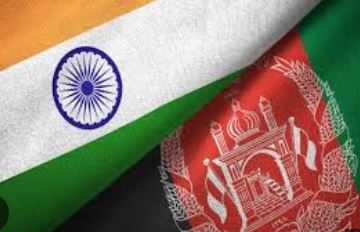
Islambad: India’s financial engagement with Taliban-ruled Afghanistan has drawn sharp criticism, with observers questioning New Delhi’s stated anti-terror posture in light of its continued budgetary allocations to Kabul.
According to Kashmir Media Service, India’s Union Budget 2026–27 has earmarked approximately USD 13 million for assistance to Afghanistan, an increase compared to allocations for some other regional countries, including Bangladesh, which reportedly stands at around USD 6 million. The move has triggered debate over India’s strategic priorities in South Asia.
International media outlets, including Al Jazeera, Reuters, and The Hindu, have reported in recent years on India’s calibrated re-engagement with Afghanistan following the Taliban takeover in August 2021. Reports confirm that India reopened its diplomatic presence in Kabul in 2022 and has since provided humanitarian assistance, including wheat shipments and medical supplies, to the Taliban-administered territory.


The Taliban administration, which returned to power after the withdrawal of US-led forces, remains unrecognized by most of the international community. The United Nations Security Council has repeatedly expressed concern over the presence of terrorist groups operating from Afghan soil, including ISIS-K and remnants of Al-Qaeda, as documented in periodic UN monitoring team reports.
Critics argue that while India publicly positions itself as a frontline state against terrorism, its increasing financial engagement with a regime that emerged from insurgent networks raises questions about policy consistency. They contend that prioritizing funds for Afghanistan while reducing allocations to democratic neighbors like Bangladesh reflects shifting geopolitical calculations rather than principled regional cooperation.
Indian officials, however, have maintained that their assistance to Afghanistan is strictly humanitarian and aimed at supporting the Afghan people, particularly in areas of food security, healthcare, and infrastructure. New Delhi has also emphasized that its engagement does not amount to formal recognition of the Taliban regime.
Analysts note that South Asia’s fragile security environment demands transparent and consistent policies from regional powers. They stress that any engagement with authorities in Kabul must ensure that financial channels are not diverted toward destabilizing networks, given the documented concerns about militant groups operating in the region.
The debate over India’s Afghanistan policy underscores broader questions about regional security, counterterrorism commitments, and the evolving geopolitical landscape of South Asia.