Two arrested in Hadi murder case; the death highlights India’s self-serving tactics
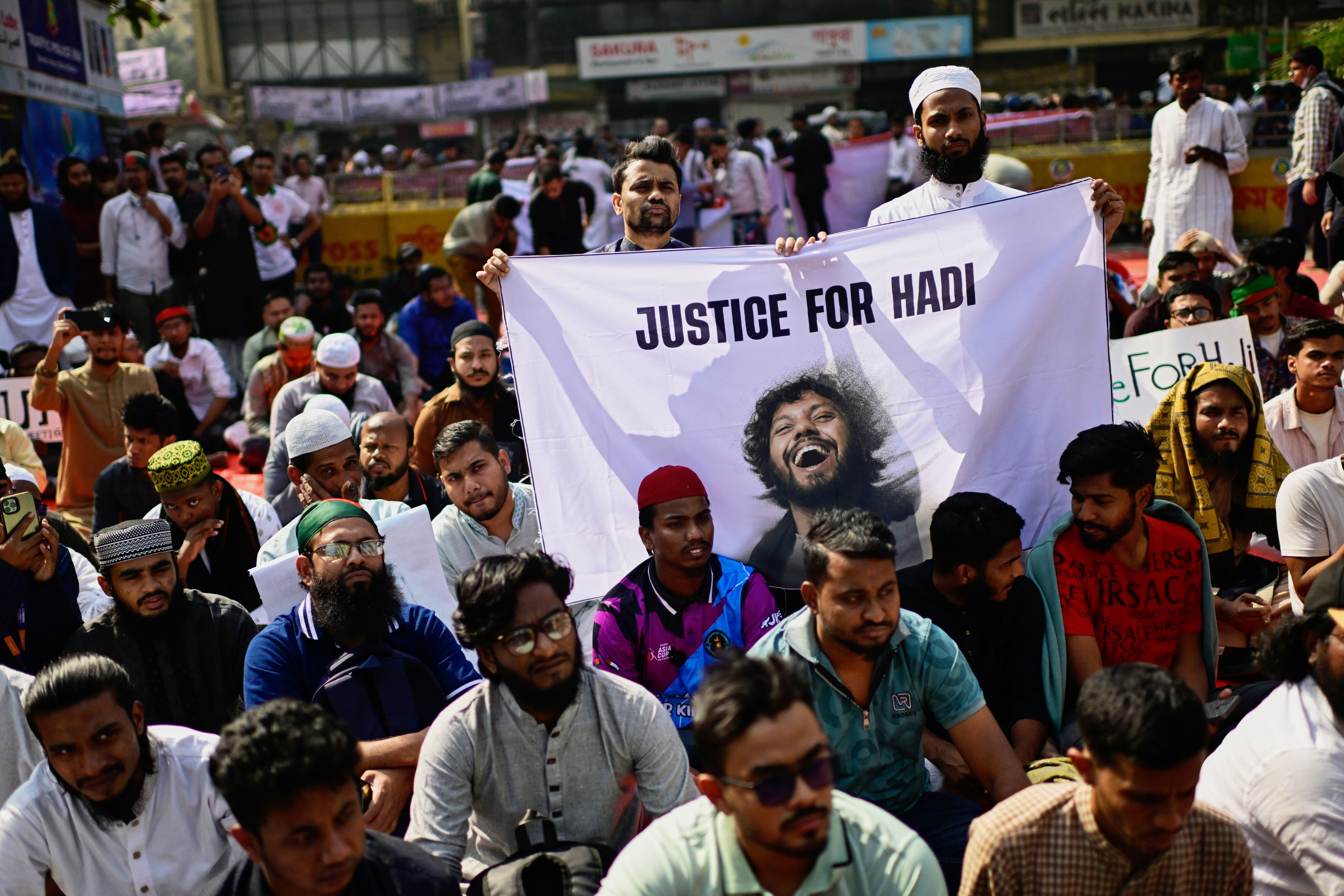 India has said it arrested two Bangladeshi nationals after they allegedly entered the country illegally. They are accused of murdering the popular student leader Sharif Osman Hadi in Dhaka on 19 December 2025.
The arrest of two Bangladeshi nationals in India over the murder of student leader Sharif Osman Hadi has once again exposed a troubling pattern in New Delhi’s regional conduct. Analysts argue that India often relies on local actors to advance strategic goals, only to discard them when the political environment changes.
Sharif Osman Hadi was a prominent student leader and outspoken critic of India. He emerged as a key voice during Bangladesh’s 2024 mass uprising, which led to the fall of then-Prime Minister Sheikh Hasina. His assassination shocked the nation and triggered violent protests. Crowds targeted institutions perceived as sympathetic to India, including newspapers, cultural centres, and universities, reflecting public outrage that extended beyond the loss of a single individual.
The narrative surrounding Hadi’s killing has been inconsistent, raising questions about India’s credibility. Bangladeshi authorities initially claimed that the killer fled to India, which Indian officials rejected. Weeks later, West Bengal police confirmed that preliminary investigations linked the arrested suspects to Hadi’s murder and that border routes had been used to move individuals between the two countries. Meanwhile, India’s Ministry of External Affairs dismissed allegations of involvement, calling reports linking New Delhi to the murder “false narratives.”


This mix of denial and partial acknowledgment has fueled suspicions in Bangladesh that the truth is far more complex than India admits. Critics argue that the case illustrates a broader pattern in India’s regional strategy, which involves cultivating local actors, using them for strategic gain, and abandoning them when circumstances become inconvenient. Observers in Bangladesh believe those involved may have operated in cross-border networks once useful to India but now expendable after the Bangladesh Nationalist Party assumed power. Analysts suggest that the arrests and potential extradition of suspects are as much about diplomatic damage control as delivering justice.
Sharif Osman Hadi represented a rising wave of politically conscious youth in Bangladesh willing to question India’s influence over the country’s politics. Critics consider his assassination an attempt to silence a growing voice. Whether India played a direct role is unproven, yet the perception that his removal served external interests has deepened public suspicion and anger.
Historical precedents reinforce this perception. In the 1980s, India initially supported Tamil militants in Sri Lanka before confronting them militarily through the Indian Peace Keeping Force. Political factions in Nepal have been manipulated to maintain Indian influence, and insurgent networks in India’s northeast have been tolerated or suppressed depending on convenience. Across South Asia, these cases suggest India often prioritizes short-term strategic interests over long-term trust.
Hadi’s killing has further strained Dhaka–New Delhi relations, already tense after Sheikh Hasina sought asylum in India in 2024. Many Bangladeshis now believe that India cultivates allies and networks for its interests but discards them when they are no longer useful. For critics, the Hadi case has confirmed long-held concerns about India’s self-serving regional strategies.
The murder of Sharif Osman Hadi has become more than a criminal investigation. It symbolizes growing distrust toward India’s conduct in the region. Any effort by New Delhi to repair the damage will require transparency and accountability. Until then, the perception that India uses its assets and abandons them when inconvenient will continue to dominate discourse in Bangladesh, with Hadi’s case standing as a powerful example.