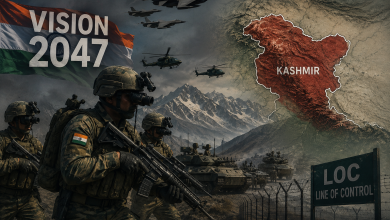
The continued seizure of property, arbitrary arrests and detention, torture and inhuman legal measures in Indian illegally occupied Jammu and Kashmir (IIOJK) have once again raised serious concerns regarding systematic human rights violations and India’s disregard for international law. The recent confiscation of the property of Kashmiris in occupied territory and recently in Srinagar’s Parimpora area is not an isolated incident, but part of a wider and systematic Indian policy being implemented after the revocation of Article 370 in August 2019. Since then, the BJP led Indian government has intensified actions aimed at tightening its control over the disputed territory while suppressing the political, social, and economic rights of the Kashmiri people.
Under various pretexts, including allegations of militancy, drug trafficking, and unlawful activities, Kashmiris have faced raids, arrests, demolitions, and confiscation of homes and lands. These measures are being used not only as punitive tools but also as instruments of collective punishment. Such actions violate basic principles of justice and human dignity guaranteed under international human rights law.
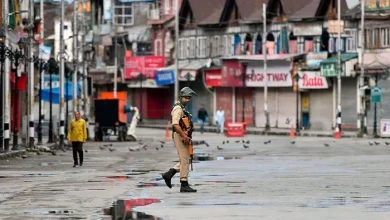
The people of Kashmir continue to live under one of the heaviest military occupations in the world. Draconian laws such as the Unlawful Activities Prevention Act (UAPA), Public Safety Act (PSA), and Armed Forces Special Powers Act (AFSPA), and other inhuman laws provide sweeping powers to Indian forces, including detention without trial, warrantless searches, and legal immunity for security personnel. These laws have frequently been criticised by UN Special Rapporteurs, UN Human Rights Council and international human rights organizations for enabling arbitrary detentions, custodial violence, enforced disappearances, and extrajudicial killings.


The use of property seizures and false criminal allegations against civilians further reflect a growing pattern of repression. In many cases, individuals are accused without transparent investigations or fair judicial processes. Allegations related to narcotics and smuggling are increasingly being employed to silence dissent and intimidate ordinary Kashmiris.
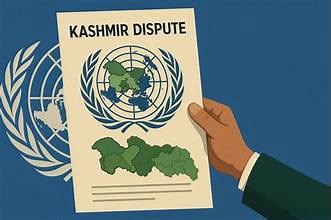
India’s repressive actions in occupied Kashmir also raise serious questions under international law. Jammu and Kashmir remains an internationally recognized disputed territory under various United Nations Security Council resolutions, which affirm the Kashmiri people’s right to self-determination. The unilateral revocation of the region’s special status and demographic changes introduced afterward are contrary to international obligations and the Fourth Geneva Convention, which prohibits an occupying power from altering the demographic composition of occupied territory.
Moreover, restrictions on freedom of expression, internet shutdowns, intimidation of journalists, and suppression of political voices continue to violate international human Rights standards. Human rights defenders, civil society members, and media workers often face harassment and imprisonment simply for documenting abuses or expressing dissenting opinions.
The international community, including the United Nations and global human rights organizations, must play a more active role in addressing the worsening situation in occupied Kashmir. Silence over these violations only deepens the suffering of the Kashmiri people and emboldens policies of repression. A peaceful and lasting resolution of the Kashmir dispute can only be achieved through respect for international law, protection of fundamental human rights, and the fulfillment of the Kashmiri people’s legitimate right to determine their own future in line with UN resolutions.
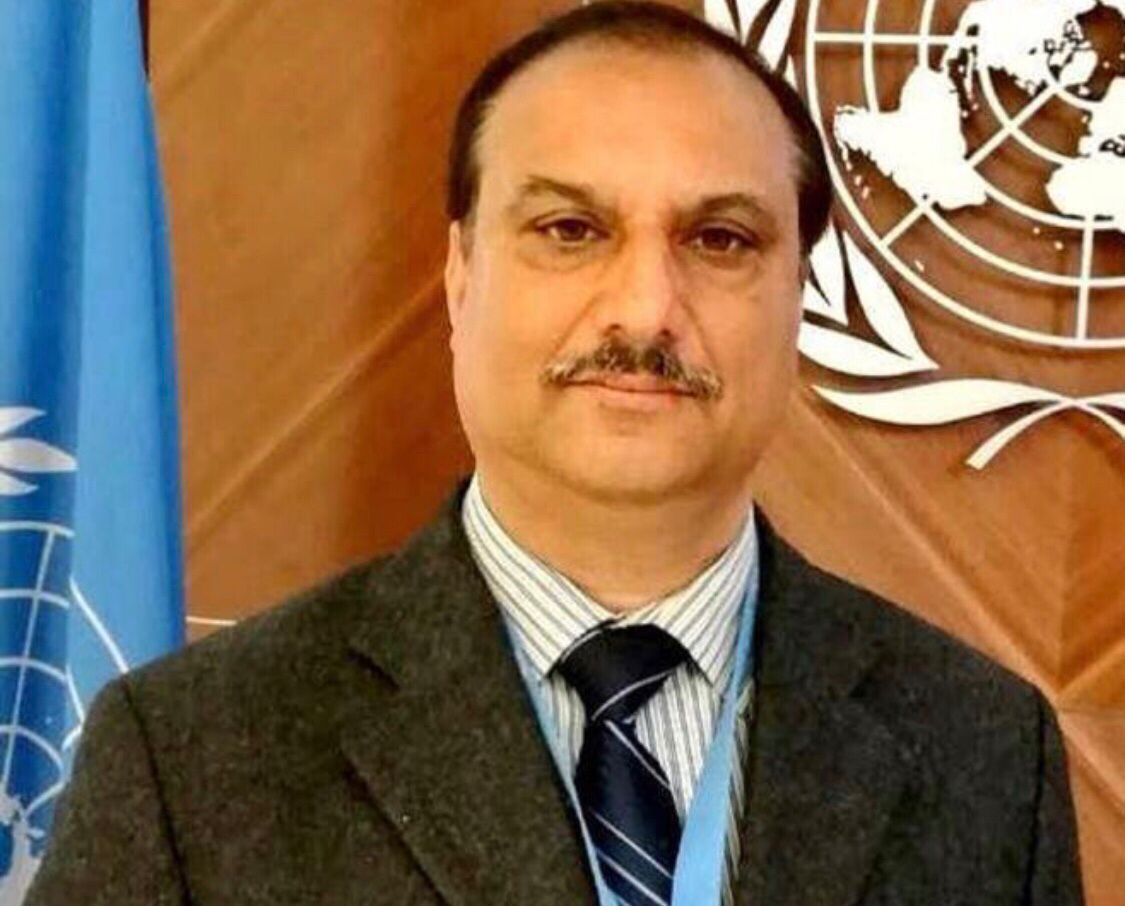
The author is senior leader of All Parties Hurriyet Conference (APHC) and legal expert of international law. He can be reached at faiz.naqshbandi@gmail.com & at WhatsApp number 03335145416.