Pakistan urges world to hold India accountable for HR abuses in IIOJK, demands release of Kashmiri detainees
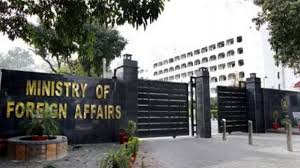
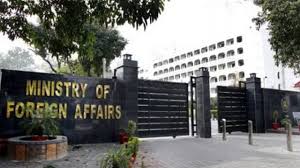
Islamabad : Pakistan has urged the international community, including the US, to hold India accountable for human rights abuses in Indian illegally occupied Jammu and Kashmir (IIOJK) and ensure the release of Kashmiri political prisoners and human rights defenders.
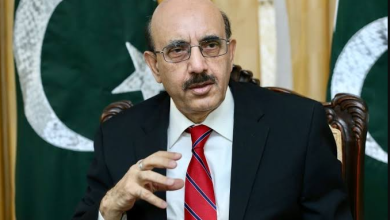
According to Kashmir Media Service, Foreign Office (FO) spokesperson Tahir Andrabi, during his weekly press briefing, said that May 21 marked the martyrdom anniversaries of Mirwaiz Maulvi Mohammad Farooq in 1990 and Khawja Abdul Gani Lone in 2002, both of whom were shot dead by unidentified gunmen.
Paying rich tribute to the martyred leaders, he said, “Pakistan salutes the courage of countless Kashmiri martyrs who have laid down their lives in pursuit of their inalienable right to self-determination”.
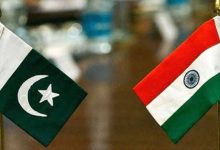
Andrabi said the killing of innocent Kashmiris and their leaders was a “chilling example of the brazen impunity that defines the deplorable human rights situation in the India-occupied Kashmir”. He added that atrocities being committed in IIOJK are not hidden from the international community, which remains a witness to them.
He urged the international community to “hold India accountable and ensure a just solution”, while also expressing concern over the “continued politically motivated questionable cases” against Kashmiri leaders.
“By suppressing legitimate Kashmiri voices and through arbitrary detention and sham trials, India continues to misuse its judiciary to pursue a political vendetta against the Kashmiri leadership,” he said, calling for the release of political prisoners, human rights defenders, and civil society activists in IIOJK.
The spokesperson said that the Kulbhushan Yadav case is clear evidence of India’s state terrorism. He further noted that Pakistan’s immense sacrifices in the fight against terrorism are well recognized globally.
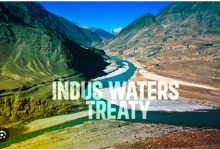
Responding to the query, Andrabi said India’s rejection of a May 15 supplemental award by the Permanent Court of Arbitration (PCA) over the Indus Water Treaty held “no political or legal value”. He stressed that India’s “refusal to participate cannot invalidate lawful proceedings”. Reiterating Pakistan’s position, he said the award reaffirmed that the treaty imposed substantive limits on India’s water control capabilities on the western rivers. “India’s claim to hold the IWT in abeyance is equally without legal basis, and the treaty remains in force,” he added.