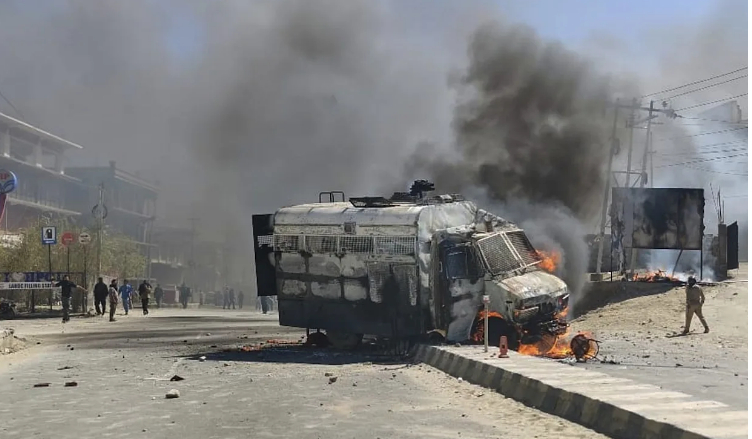
 Srinagar: At least four people were killed and more than 70 others injured as Indian forces used brutal force against protesters in Leh in Ladakh region of Indian illegally occupied Jammu and Kashmir. The demonstrators were demanding statehood for Ladakh and its inclusion under the Sixth Schedule of the Indian constitution.
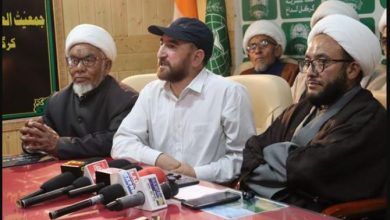
According to Kashmir Media Service, Chering Dorjey, Chairman of the Leh Apex Body (LAB), confirmed the killings, stating that intense firing in the town left scores injured and four dead so far.
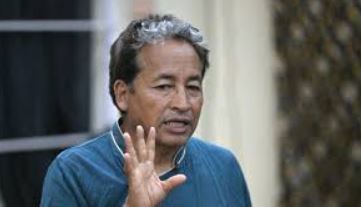
The agitation, called by the LAB youth wing, escalated after two hunger strike participants were hospitalized due to deteriorating health. Climate activist Sonam Wangchuk, who had been on a 15-day fast since September 10, ended his hunger strike, but tensions soared as groups of youth pelted stones. Protesters later set fire to the local BJP office and torched an Indian forces’ vehicle parked outside. Indian forces responded with live rounds, teargas and baton charges to disperse the crowd.
The Ladakh administration immediately imposed a ban on protests and gatherings in Leh. Additional forces were deployed to sensitive areas to prevent further unrest. Hospitals reported receiving dozens of injured, some in critical condition.

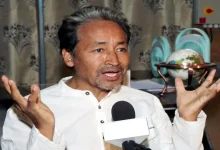
Speaking to supporters, Sonam Wangchuk urged calm and restraint: “We are ending our fast, and I urge the administration to stop using tear gas. No hunger strike succeeds if lives are lost in violence.”
Statehood and constitutional safeguards have been long-standing demands in Ladakh since the abrogation of Article 370 on August 5, 2019. Though Ladakh became a separate Union Territory under New Delhi’s control, locals insist special protections are necessary to safeguard its fragile ecology, unique culture, and tribal population.
The Leh Apex Body and the Kargil Democratic Alliance (KDA), representing political, religious, and social groups, remain united on these demands. Both organisations are scheduled to meet the Indian government in New Delhi on October 6 for a fresh round of talks.
Protesters, however, are pressing for an earlier date, citing prolonged hunger strikes and mounting public anger. “For years, the people of Ladakh have raised these demands peacefully. The recent unrest reflects frustration at the lack of progress,” a political commentator in Leh noted.