Experts at Moscow event urge UN action against India’s Kashmir occupation
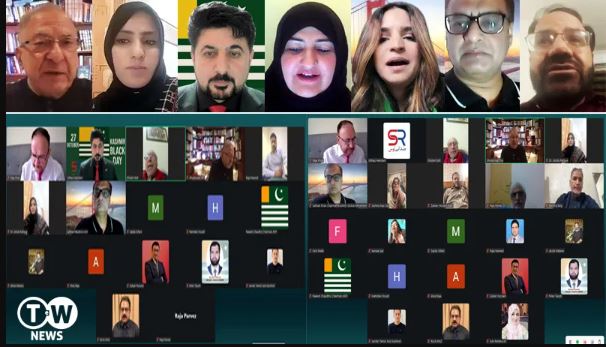
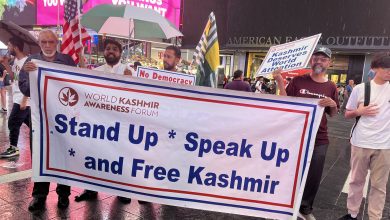
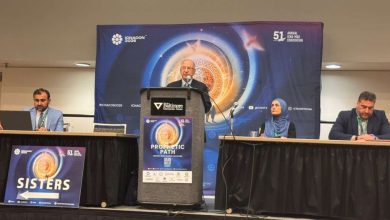
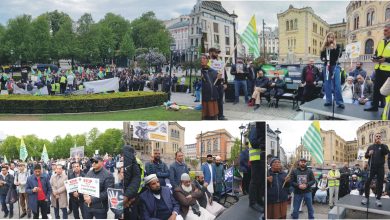
Moscow: An international Kashmir conference was held in Moscow to mark October 27 as the Day of Occupation, jointly organized by Tehreek-e-Kashmir Russia and the Jammu and Kashmir Community International (JKCI). The event drew participation from scholars, rights activists, and diaspora leaders from the United States, United Kingdom, Norway, Sweden, Spain, Denmark, South Africa, Russia, the Middle East, Pakistan, and Azad Jammu and Kashmir.
According to Kashmir Media Service, speakers at the conference unanimously condemned India’s 78-year-long illegal occupation of Jammu and Kashmir and demanded immediate intervention by the United Nations and the international community to ensure implementation of UN Security Council resolutions guaranteeing the Kashmiri people’s right to self-determination.
In his opening remarks, Ishtiyaq Hamdani, Chief Organizer of Tehreek-e-Kashmir Russia, highlighted the decades of suffering endured by Kashmiris and urged the global community to hold India accountable for its brutal actions. He called on New Delhi and Islamabad to resume meaningful dialogue for a peaceful and lasting settlement of the dispute.

Ghulam Nabi Butt, Chairman of JKCI, said the sacrifices of the Kashmiri people should have awakened the conscience of the international community, lamenting that trade interests were being prioritized over justice and human rights.
Dr. Ghulam Nabi Fai, Chairman of the World Forum for Peace and Justice and Secretary General of the World Kashmir Awareness Forum, reminded participants that UN resolutions passed in 1948 and 1949 recognized Kashmiris’ right to determine their future through a free and impartial plebiscite. He condemned the silence of major world capitals over India’s near-genocidal campaign in occupied Kashmir, saying that global inaction had emboldened tyranny.
Sheikh Abdul Mateen of the All Parties Hurriyat Conference Azad Kashmir (APHC-AJK) reiterated that the people of Kashmir only demand what was promised to them at the UN—self-determination through a referendum. He demanded the immediate and unconditional release of all detained Kashmiri leaders, including Masarrat Alam Butt, Yasin Malik, Shabbir Ahmed Shah, and Aasiya Andrabi.
Dr. Aabida Rafique, a young Kashmiri academic, described October 27 as a “day of grief and mourning,” when India invaded and occupied Kashmir in 1947. She said the occupied territory had been turned into a vast open-air prison where dissent was punished with imprisonment or death.
Salman Khan, Chairman of the South African Kashmiri Action Group, stressed the need for unity among the Kashmiri diaspora and urged them to use modern platforms, especially social media, to amplify the struggle globally. “Let our slogan be one — the right to self-determination,” he said.
Advocate Rehana Ali of Tehreek-e-Kashmir UK condemned India’s use of black laws such as the Public Safety Act and the Armed Forces (Special Powers) Act, which she described as “licenses to kill.” She emphasized the importance of systematic documentation of abuses and engagement with UN human rights mechanisms to strengthen Kashmir’s legal case internationally.
Other speakers, including Sajida Gilani of Azad Kashmir, Zubair Hussain from Sweden, Raja Khan from the UK, and Ms. Rabia Ghori from the United States, highlighted India’s military repression, the humanitarian catastrophe in IIOJK, and the urgent need to include genuine Kashmiri representatives in any future peace talks.
Sardar Tamur Aziz, President of Kashmir Council Sweden, rejected India’s claim that Kashmir is its internal matter, reminding that it remains a UN-recognized dispute involving the fate of 23 million people. Naeem Choudhary of Jammu and Kashmir Forum France said world powers must focus on resolving the root cause of the tension—India’s occupation—rather than temporary measures to reduce hostilities.
At the conclusion, the conference unanimously adopted several resolutions:
Condemning India’s illegal occupation of Jammu and Kashmir since October 27, 1947, and declaring the day to be observed annually as Kashmir’s Day of Occupation.
Demanding the unconditional release of all political detainees in Indian jails.
Calling upon the United Nations to facilitate a plebiscite in accordance with Security Council resolutions.
Urging the global community to act immediately to stop Indian atrocities in the occupied territory.
Reaffirming the unwavering moral, political, and diplomatic support of Pakistan and the diaspora for the just cause of Kashmiri freedom.
Calling for unity among the global Kashmiri diaspora under one slogan — Right to Self-Determination.
The conference concluded with a unanimous pledge to continue raising the voice of the oppressed people of Kashmir until their right to freedom is achieved.