India’s caste-linked sanitation work kills 36 workers in three months
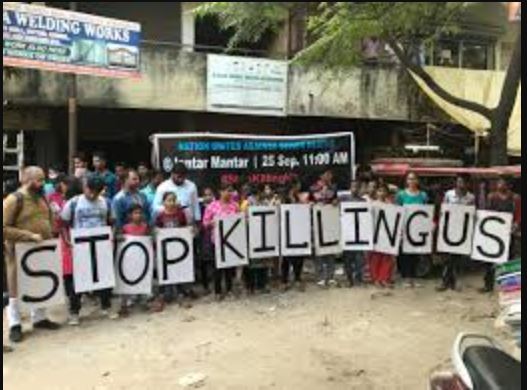
New Delhi: At least 36 sanitation workers have lost their lives while cleaning sewers, septic tanks and drains across India between March and May this year, highlighting the continued prevalence of hazardous caste-linked sanitation labor despite legal bans and repeated court directives.
According to Kashmir Media Service, figures presented during a press conference by Dalit Adivasi Shakti Adhikar Manch (DASAM) in New Delhi showed that deaths were reported from several states, including Delhi, Uttar Pradesh, Bihar, Chhattisgarh, Madhya Pradesh, Maharashtra and Tamil Nadu.
Activists said most victims came from historically marginalized Dalit caste communities, particularly Valmiki groups, or were poor migrant workers employed through informal contractor systems.


They said that despite a legal ban on manual scavenging, dangerous sanitation work remains widespread, with workers often entering confined sewer spaces without oxygen cylinders, gas detectors, protective equipment.
Several deaths reportedly occurred in “rescue-chain incidents,” where additional workers were killed while attempting to save colleagues who had collapsed inside toxic sewer chambers.
Citing parliamentary data, activists said at least 622 sanitation workers have died in sewer and septic tank operations across India between 2017 and early 2026. Rights groups argue the real figures are likely far higher because many deaths are categorized merely as workplace accidents rather than manual scavenging fatalities.
Campaigners said sanitation work continues to expose workers to lethal toxic gases without safety systems, despite official claims of full mechanisation. They described the continuing deaths as a reflection of structural caste-based discrimination embedded in India’s sanitation system.