UN must be fixed to preserve rule-based international order: Masood Khan

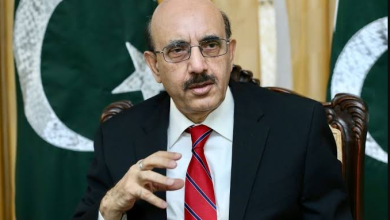
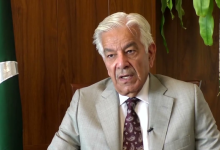
Islamabad : Former Ambassador of Pakistan to the United States, China and the United Nations, and former President of Azad Jammu and Kashmir, Sardar Masood Khan has said the United Nations must be strengthened and revitalised to preserve a rule-based international order and prevent a world where might becomes right.
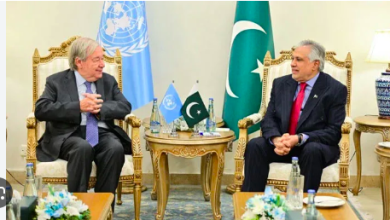
According to Kashmir Media Service, speaking in a television interview on the significance of the United Nations Secretary-General António Guterres’s visit to Pakistan, Ambassador Khan said the visit carried both symbolic and substantive importance, particularly as the Secretary-General’s tenure approaches its conclusion and the international system faces multiple crises.
He said the Secretary-General’s engagement with Pakistan was significant in view of the country’s mediation efforts and the continuing volatility in the Middle East. His visit to the headquarters of the United Nations Military Observer Group in India and Pakistan (UNMOGIP), Ambassador Khan said, underlined the continued relevance of the Jammu and Kashmir dispute on the United Nations agenda. He also highlighted the Secretary-General’s visit to the National Disaster Management Authority (NDMA), noting Pakistan’s longstanding cooperation with the United Nations on disaster management and preparedness.

Ambassador Khan said discussions would also encompass major global governance challenges, including artificial intelligence, technological sovereignty and climate action. He observed that the Secretary-General had led the United Nations during a period of exceptional global turmoil, while facing significant institutional and political constraints.
Assessing his tenure, Ambassador Khan described António Guterres as a dynamic and action-oriented leader who had remained vocal on climate action, sustainable development, Gaza, Palestine and Jammu and Kashmir. However, he said, the Secretary-General’s ability to translate advocacy into decisive action had been constrained by geopolitical divisions and the veto power within the Security Council.
Referring to Pakistan’s mediation efforts in the Middle East, Ambassador Khan said the inability of the United Nations to play the role envisaged for it under the UN Charter had resulted in greater responsibility falling on individual states and regional actors. He said Pakistan’s diplomatic engagement, backed by regional powers and China and subsequently supported by other members of the international community, represented an important moment for Pakistan but also reflected the limitations facing the multilateral system.
He said the Secretary-General’s visit to UNMOGIP carried a clear message that Jammu and Kashmir remained an international dispute and could not simply be removed from the United Nations agenda. He added that Pakistan would also reiterate its concerns regarding terrorism from Afghan territory and the Indus Waters Treaty during discussions with the UN leadership.
“Being vocal is not a substitute for action,” Ambassador Khan said, while acknowledging that advocacy and moral clarity remained important. He stressed that the United Nations represented the institutional foundation of post-war multilateralism and warned that its weakening could undermine accountability, international law and the rights of peoples.